Useful Cover Letter and Resume Tips for Nonprofit Careers

Guest Post: Useful Cover Letter and Resume Tips for Nonprofit Careers

by Brian Jenkins, BrainTrack.com

Nonprofit employers evaluate resumes and cover letters differently than most corporate employers. They want to get a sense of who you are and what you are passionate about along with a detailed description of your skills and work experience. Nonprofits are seeking employees who are committed to their mission and want to make a positive social impact.

Let’s take a look at some useful cover letter and resume tips for nonprofits:

Cover Letter Tips

  • Show your passions, motivations, and enthusiasm for the organization’s mission.
  • Respond directly to the organization’s needs.
  • Include the experiences in your career which have prepared you for the job.
  • Mention how you’re inspired by performing volunteer work. Provide a few details.
  • Highlight your strengths that are relevant to the nonprofit.
  • Take the opportunity to show the potential employer you’ll be a valued team member.
  • If you’re transitioning to the nonprofit sector, demonstrate empathy for other people and your commitment to helping them.
  • Demonstrate you’ve educated yourself about subjects related to the organization’s mission. They’ll realize you have a desire to work for them and they’ll appreciate the effort.
  • Mention any of your corporate work that’s related to issues with which the nonprofit is involved.

Nonprofit Resume Tips

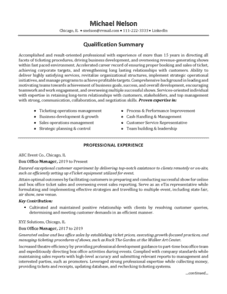
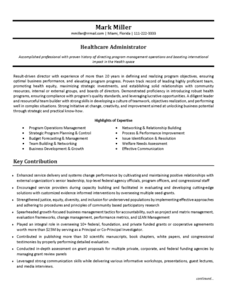
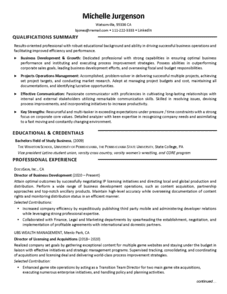
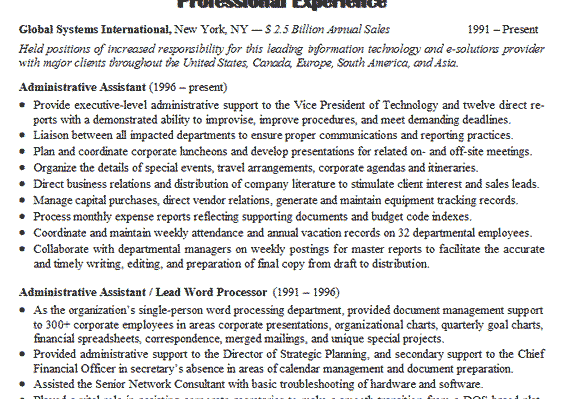
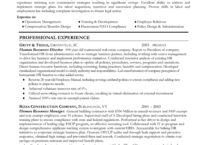
  • A nonprofit manager’s career summary can include topics such as improving programs, money raised, ability to win community support, building relationships, coordinating projects, and improving the performance of the organization.
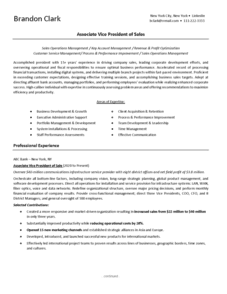
  • Demonstrate you have the stated job specific skills by including examples of related accomplishments.
  • Provide evidence of being a good team member.
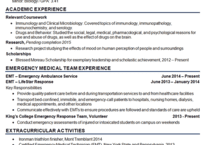
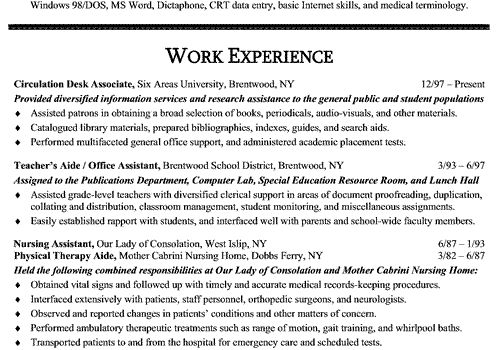
  • Place an emphasis on your volunteer work in a “Volunteer Experience” section on your resume. Show some passion in this section.
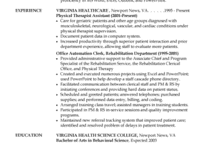
  • Provide evidence of your contributions at your previous jobs and show how you went beyond your job responsibilities in order to help the organization.
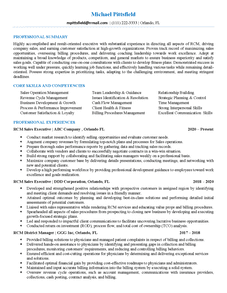
  • Include the keywords from the job listing and other relevant keywords. A lot of organizations use computer software to review resumes and search for particular keywords.
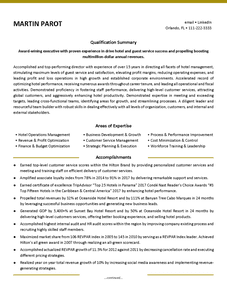
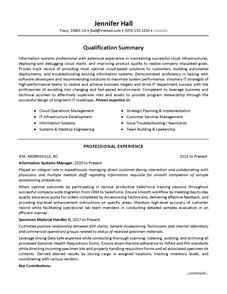
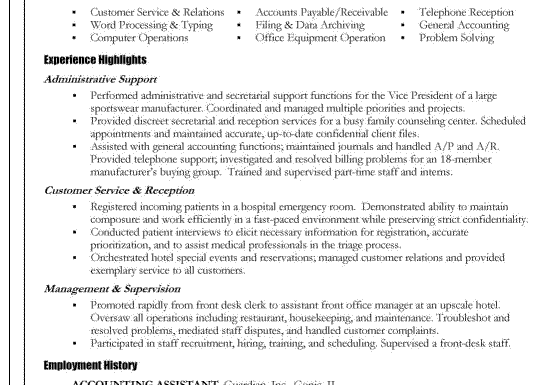
  • If you’ve been working in the corporate world, place an emphasis on the aspects of your background that are meaningful to the nonprofit employer. These may include business proposal writing, public speaking and presentation skills, training, supporting, mentoring and motivating other people, working with tight budgets, developing customer relationships, maximizing advertisement/publicity/promotional opportunities, and negotiating and closing deals.
  • Make sure your resume is user-friendly by avoiding business jargon.

Transitioning from the Corporate World

After researching an organization, highlight your transferable skills for the job you’re seeking. Since many nonprofits operate in an entrepreneurial style, your corporate accomplishments will probably be of value. Mention why you’re seeking a job with a nonprofit. Include volunteer work in the resume.

Demonstrate your passion for a career with a nonprofit and your desire to affect positive change in the world in the resume’s career summary. In the cover letter show you care about the issues the organization is focused on and that you’re familiar with the field.

If your desire to work for a nonprofit is personal, such as a family member has cancer and you want to work for the American Cancer Society, providing this type of impassioned information will further indicate you’re committed to the cause.

If you do get an interview, make sure to show some passion for the nonprofit’s mission.

Brian Jenkins writes feature articles primarily on career topics for BrainTrack.com, where he has contributed content to the website’s guide to career planning. In addition, Brian has written a large number of profile articles on colleges, universities, and cities.

Resume-Resource

This article was published by a guest author and posted by Resume-Resource.com Administration

More Posts - Website

One comment

  1. Employers encounter thousands of resumes so do not use extensive graphics and odd designs because this might be a deterrent in getting the resume serious consideration. Human resource personnel as well as managers scan resumes to consider experience, skills, and whether you will be a fit for the company as well as the position you are trying to get. It is best to be clear, concise, and keep the resume to at most two pages. Some people mistakenly believe that resumes should be at most one page but any time someone has years of experience a one page resume won’t be sufficient to elaborate on the experience.