The Art of Creating a Great Resume
What makes for a great resume? There are so many opinions on this topic, it makes your head spin. How can you build a resume that makes you stand out in the crowd? What are the most common resume mistakes and how can you avoid them? How do you use the resume as a starting point for building your personal brand?
The current economic condition has made it very challenging for people pursuing new job opportunities. On average there are more than 50 applicants for every open job requisition – Are you better than the other 49? Standing out from the crowd is critical to facilitating success.
The value of results:
FREE Online Resume Builder - Use Templates to Build a Resume in Minutes!
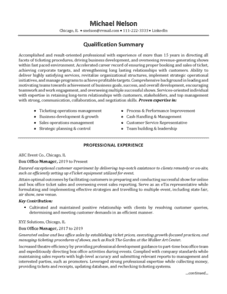
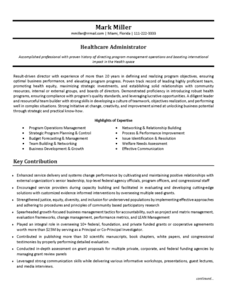
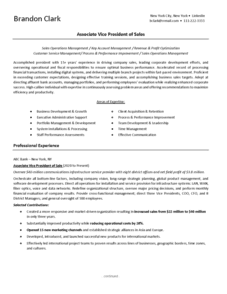
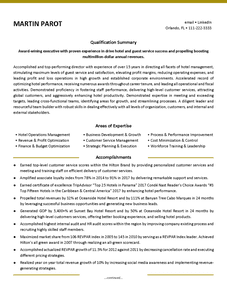
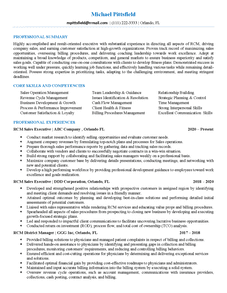
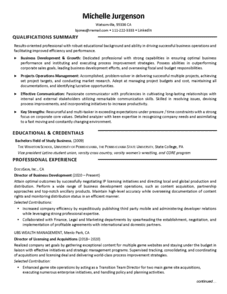
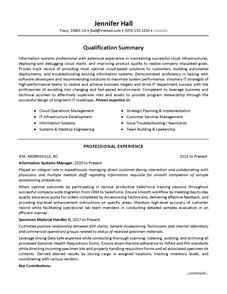
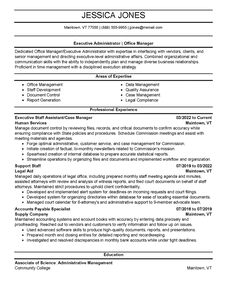
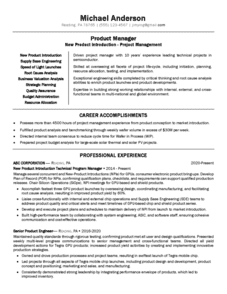
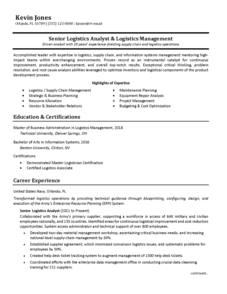
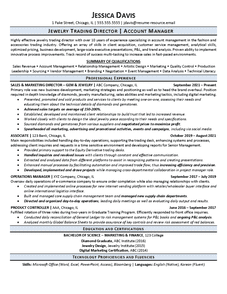
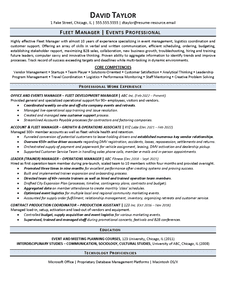
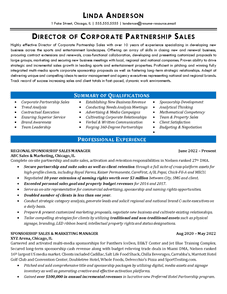
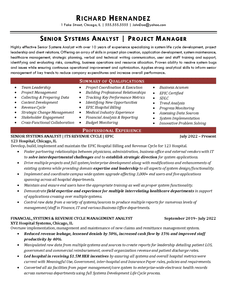
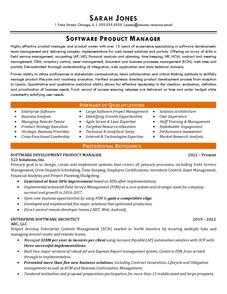
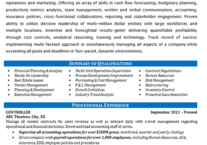
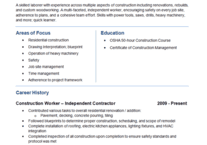
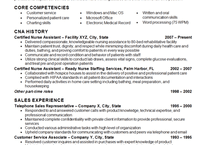
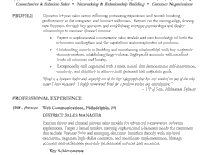
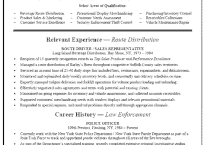
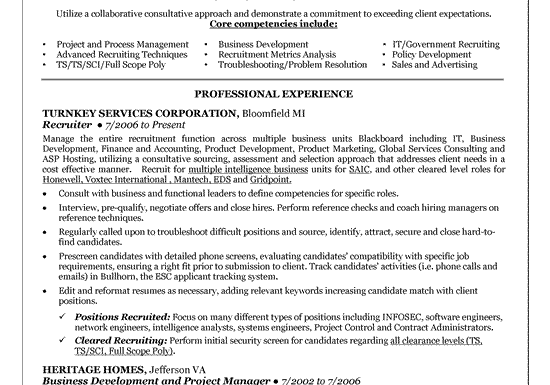
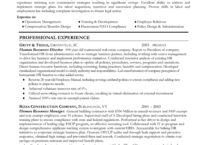
Results focused and data driven information provide a potential hiring manager with a better understanding of what you can do. Quantify your results where possible. At the top of your resume, start with a paragraph to provide the reader with some solid information. Use short phrases to quickly present the reader with your core competencies. This will be especially useful when the reader scans the document – or if a system like Taleo is used for key word search:

The summary and core competency section above sets a proper and compelling tone for the resume. It allows the reader to quickly learn something about you, including overarching abilities and sometimes personal attributes. This presentation facilitates easy scanning.
Moving ahead to the body of your resume, numbers make management notice your background and it demonstrates your ability to drive results. Use real numbers … but make sure you can defend them.

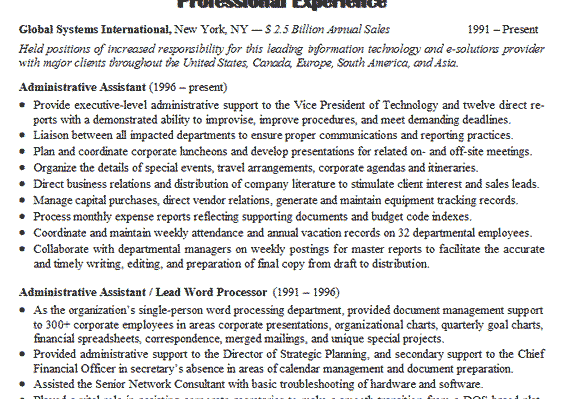
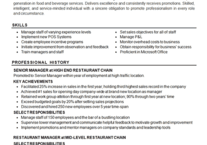
Start your professional experience by drafting a short paragraph to describe responsibilities.
Use bullets to highlight key achievements. This type of presentation will create a clear and important distinction between what you do on a day-to-day basis vs. what you have delivered for your clients or your company. Remember, the resume is a marketing tool – it should be written to engage the reader and provide information about the things that you are interested in doing again.
Tip: If you are not interested in doing a task again, do not list it on the resume.
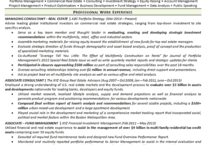
The following is an example of what your professional experience section might look like:
COMPANY NAME, Chicago, IL, 2005-Present
A leading retailer and distributor of natural stone imported from India, Brazil, Italy, Spain, Mexico, and Turkey, among others and specializing in exceptional quality and selection of stone products to meet the needs of builders, contractors, fabricators, retailers, architects, interior designers, and tile distributors. Ranked 19th among the fastest 50 growing companies in Chicago by Crain’s in 2007.
Chief Operating Officer
Spearheaded the company’s expansion from 4 locations doing $16 million in business to 16 locations throughout the Midwest and Southwest doing $50 million in business. Evangelized opportunities to improve profitability through organic growth, and worked with the Board to derive funds from shareholders to support efforts. Provided leadership to 16 vice presidents, general managers, showroom managers, and 6 corporate direct reports.
- Implemented buying processes, which included categorizing products to facilitate improved tracking of purchases and inventory. Reduced unsold inventory and identified best selling items to improve cash flow, margin, and identify replenishment points.
- Identified new sources and suppliers to optimize the supply chain. Worked with freight companies and negotiated competitive pricing to manage import and carrying costs. Identified ships and vendors that would allow increased tonnage per container.
What else should be on your resume?
You will want to include education, advanced degrees, certifications, training, awards, affiliations (professional, community/volunteer) and compelling hobbies/interests. Compelling is the key word here. Generally hobbies and interests can be left off the resume. The caveat is that you should include them if they are really unique. For example, if you have summited Mt. Kilimanjaro or something equally noteworthy. Why something so extreme? Well, just being a voracious reader doesn’t make you all that unique. Not reading, now that would be unique. Seriously though, the general run of the mill hobbies doesn’t provide the reader with anything all that exciting. Competing in a triathlon? Now that’s an icebreaker! Now for the sample of your education and other data for the resume:
Education & Academic Achievement
UNIVERSITY OF PENNSYLVANIA, WHARTON BUSINESS SCHOOL, Philadelphia, PA (2001)
Master of Business Administration
- Coursework Emphasis: Quantitative Analytics, Corporate Finance, Portfolio Theory, and Financial Risk.
BROWN UNIVERSITY, Providence, RI (1999)
Bachelor of Arts, Mathematics and Economics (Double Degree)
- Thesis: “Name of Thesis Here”
- Leadership: Board of Trustees Investment Committee (Member), Student Investment Fund.
Professional Certifications
Professional Risk Managers’ International Association (PRMIA) – Professional Risk Manager (PRM) Designation;
Chartered Financial Analyst (CFA) Certification (Level I).
Leadership & Additional Information
Founder and former CEO of the Main Managed Fund.
Language Skills: Russian (Fluent). Computer Skills (Expert): Microsoft Excel, @Risk, Crystal Ball, Mathematica, MatLab, and Bloomberg. Knowledge of Visual Basic and C++ programming languages.
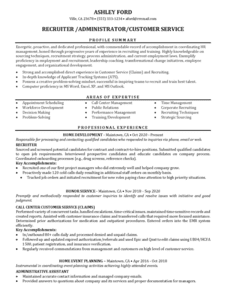
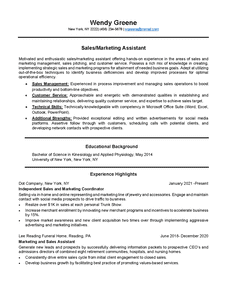
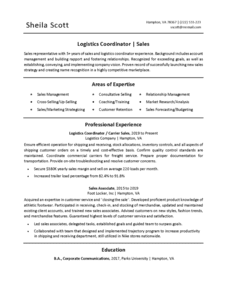
The devil is in the details. Your presentation counts, including layout, margins, font size, and style. Make sure you’re the resume is balanced with enough white space to facilitate easy reading. If you go to a second page, make sure that at least 50% of that page has content. Going over by one or two lines looks sloppy. Make sure personal details, including name, phone and email address is included at the top of the second page. When the resume is printed, the reader will be able to identify your document if the two pages become separated.
Make sure all of your career documents, including a cover letter, bio, and any other materials match to maintain a positive and pleasing brand.
The summary and core competency section above sets a proper and compelling tone for the resume. It allows the reader to quickly learn something about you, including overarching abilities and sometimes personal attributes. This presentation facilitates easy scanning.
Moving ahead to the body of your resume, numbers make management notice your background and it demonstrates your ability to drive results. Use real numbers … but make sure you can defend them.
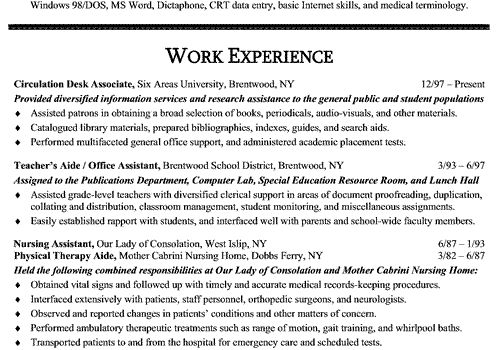
Start your professional experience by drafting a short paragraph to describe responsibilities.
Use bullets to highlight key achievements. This type of presentation will create a clear and important distinction between what you do on a day-to-day basis vs. what you have delivered for your clients or your company. Remember, the resume is a marketing tool – it should be written to engage the reader and provide information about the things that you are interested in doing again.
Tip: If you are not interested in doing a task again, do not list it on the resume.
The following is an example of what your professional experience section might look like:
COMPANY NAME, Chicago, IL 2005-Present
A leading retailer and distributor of natural stone imported from India, Brazil, Italy, Spain, Mexico, and Turkey, among others and specializing in exceptional quality and selection of stone products to meet the needs of builders, contractors, fabricators, retailers, architects, interior designers, and tile distributors. Ranked 19th among the fastest 50 growing companies in Chicago by Crain’s in 2007.
Chief Operating Officer
Spearheaded the company’s expansion from 4 locations doing $16 million in business to 16 locations throughout the Midwest and Southwest doing $50 million in business. Evangelized opportunities to improve profitability through organic growth, and worked with the Board to derive funds from shareholders to support efforts. Provided leadership to 16 vice presidents, general managers, showroom managers, and 6 corporate direct reports.
- Implemented buying processes, which included categorizing products to facilitate improved tracking of purchases and inventory. Reduced unsold inventory and identified best selling items to improve cash flow, margin, and identify replenishment points.
- Identified new sources and suppliers to optimize the supply chain. Worked with freight companies and negotiated competitive pricing to manage import and carrying costs. Identified ships and vendors that would allow increased tonnage per container.
What else should be on your resume?
You will want to include education, advanced degrees, certifications, training, awards, affiliations (professional, community/volunteer) and compelling hobbies/interests. Compelling is the key word here. Generally hobbies and interests can be left off the resume. The caveat is that you should include them if they are really unique. For example, if you have summited Mt. Kilimanjaro or something equally noteworthy. Why something so extreme? Well, just being a voracious reader doesn’t make you all that unique. Not reading, now that would be unique. Seriously though, the general run of the mill hobbies doesn’t provide the reader with anything all that exciting. Competing in a triathlon? Now that’s an icebreaker! Now for the sample of your education and other data for the resume:
Education & Academic Achievement
UNIVERSITY OF PENNSYLVANIA, WHARTON BUSINESS SCHOOL, Philadelphia, PA (2001)
Master of Business Administration
- Coursework Emphasis: Quantitative Analytics, Corporate Finance, Portfolio Theory, and Financial Risk.
BROWN UNIVERSITY, Providence, RI (1999)
Bachelor of Arts, Mathematics and Economics (Double Degree)
§ Thesis: “Name of Thesis Here”
§ Leadership: Board of Trustees Investment Committee (Member), Student Investment Fund.
Professional Certifications
Professional Risk Managers’ International Association (PRMIA) – Professional Risk Manager (PRM) Designation;
Chartered Financial Analyst (CFA) Certification (Level I).
Leadership & Additional Information
Founder and former CEO of the Main Managed Fund.
Language Skills: Russian (Fluent). Computer Skills (Expert): Microsoft Excel, @Risk, Crystal Ball, Mathematica, MatLab, and Bloomberg. Knowledge of Visual Basic and C++ programming languages.
The devil is in the details. Your presentation counts, including layout, margins, font size, and style. Make sure you’re the resume is balanced with enough white space to facilitate easy reading. If you go to a second page, make sure that at least 50% of that page has content. Going over by one or two lines looks sloppy. Make sure personal details, including name, phone and email address is included at the top of the second page. When the resume is printed, the reader will be able to identify your document if the two pages become separated.
Make sure all of your career documents, including a cover letter, bio, and any other materials match to maintain a positive and pleasing brand.