
Resumes Done Write
Resume writing can be a tricky thing. What type should you use? Should it be hybrid, reverse chronological or functional? How do you know which one is right for your particular situation? Color? Do you need color? What about a picture – of yourself or something else? How do you figure out what to do?
Here I will give you the answers to the above and provide some other tips in this post entitled ResumesDoneWrite, aptly named for my company and blog of the same name.
FREE Online Resume Builder - Use Templates to Build a Resume in Minutes!
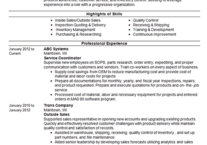
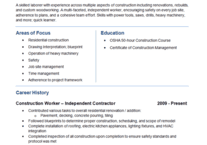
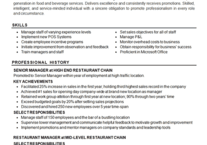
1. Resume Style - There are many approaches to resume writing. Below are some of the most compelling things you should consider, and in some cases use when creating your resume.
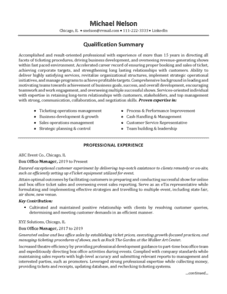
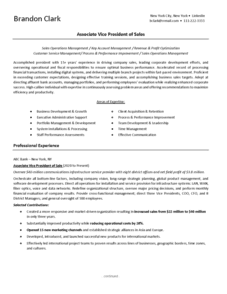
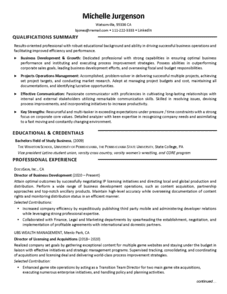
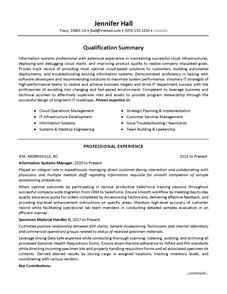
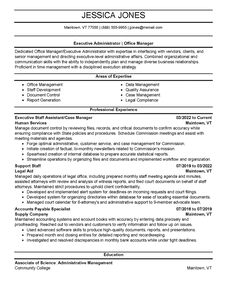
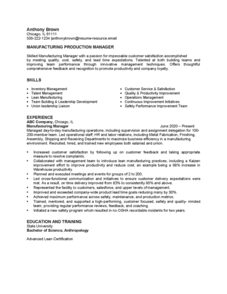
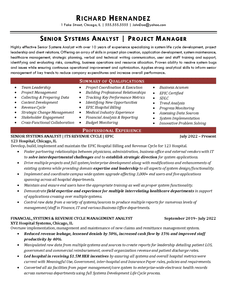
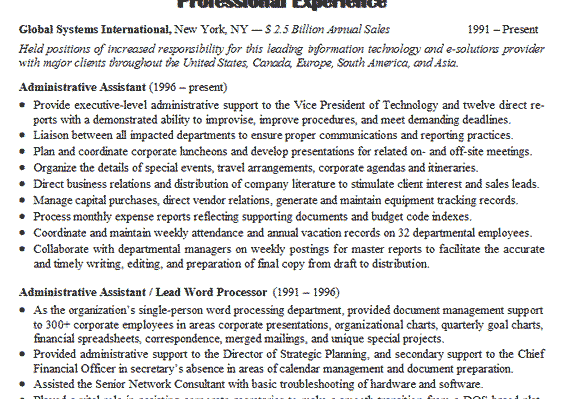
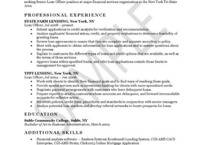
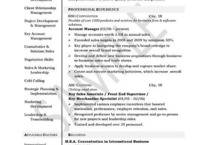
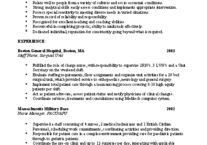
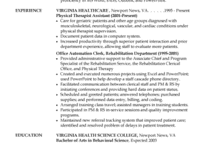
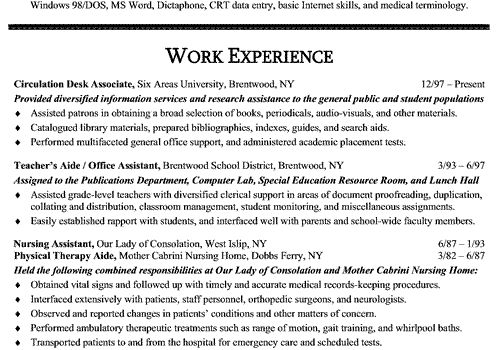
- Reverse Chronological Style: Reverse chronological resumes are best utilized when you have not had any gaps in employment and have not changed career paths. Reverse chronological is what hiring managers expect to see because it is the most common. Fear not though – if you have changed careers, industries, or been out of the game for a bit of time there are other ways for you to present your credentials that will still draw attention and ‘get you the interview’. Reverse chronological resumes start with your most recent position and work backwards. I recommend not referencing things in any great detail that go back farther than 10-15 years. You can reference a Previous Experience section where you reveal the company name and your title. If it comes up in an interview, be prepared to address it there. Your resume should ‘show a little shoulder’ not give away the entire store.
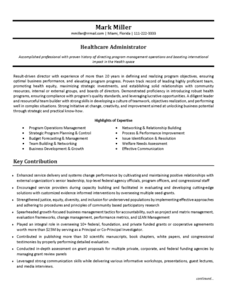
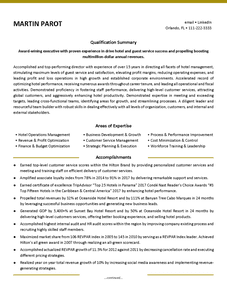
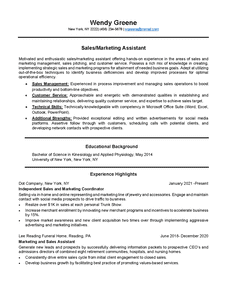
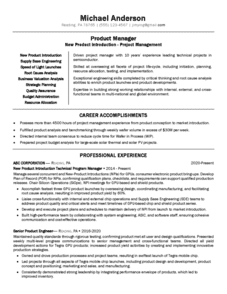
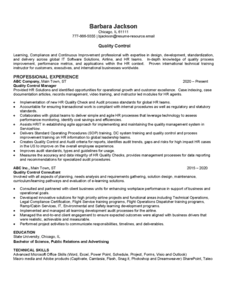
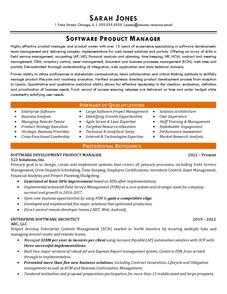
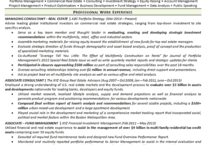
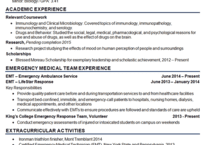
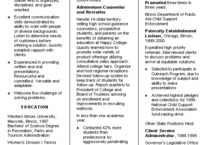
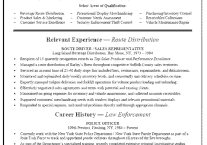
- Hybrid Style: The hybrid setup will allow you to reference key achievements in a section of the same name at the top of the resume. This is particularly useful if you are transitioning to a new industry, embarking on a new career path, or reentering the workforce after an absence. The key achievements should reveal compelling information that can be correlated to the position you are seeking. If you are in possession of a job description, even better. Review it to help tailor the resume for the position. In each style it is imperative that you provide the reader with metrics that support the work that you have done. The meat is in the results. A sure way to get your resume noticed is to provide clear and concise examples with the outcome so the reader understands how you made an impact.
2. The Headline - At the very top of your resume write a headline. This will serve to tell everyone reading what you do, what you are good at, and in some way what you want without stating it in an outdated objective. The headline is like a newspaper headline. You might consider the following: GENERAL BUSINESS MANAGEMENT /OPERATIONS LEADERSHIP. That headline would go right underneath your name and contact details and clearly conveys that you are management professional who runs operations. It’s the quick hit to set the tone of the document.
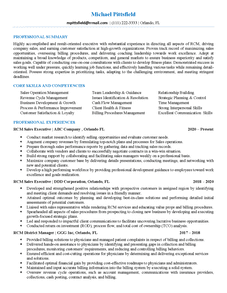
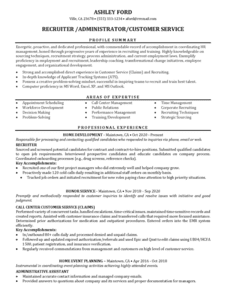
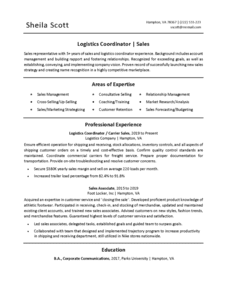
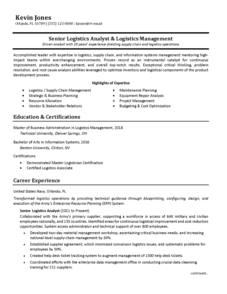
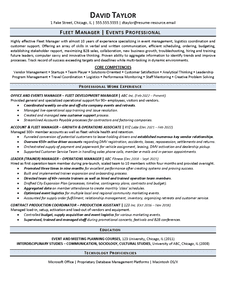
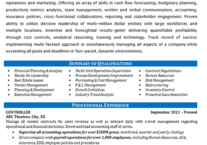
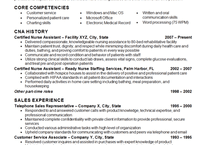
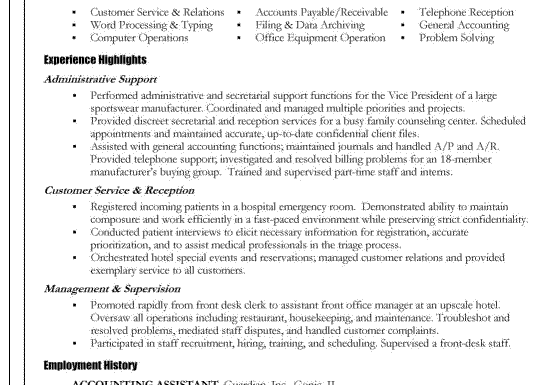
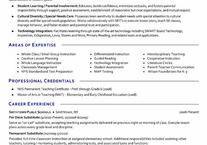
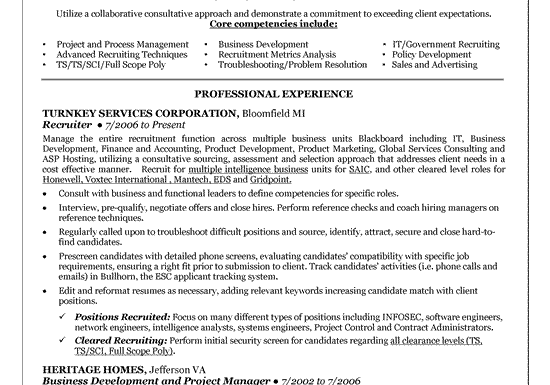
3. Core Competencies – I know I write about this all the time; but it really is important or I wouldn’t stand on the box about it. Hiring managers and internal screening systems (Taleo, etc.) can easily scan this for your key attributes. Write six or eight core competencies – and make them meaningful.
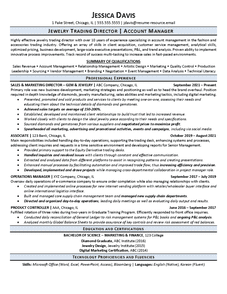
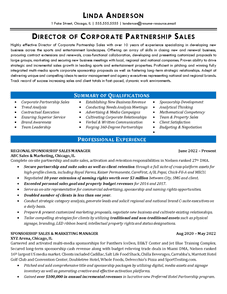
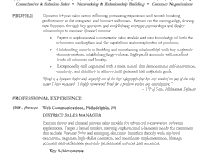
4. Using Color - Here’s an interesting question – the question of color on the resume. When well done and in the appropriate situation, color can work very well on the resume. Less is more in this case so you will need to be careful. If you work in marketing, communications, public relations or a creative field, consider adding some color to your document. I don’t mean iridescent yellow. The reader won’t have to find the resume in the dark. I mean something classy. You should consider Accent 2 (Darker 25%); Background 2 (Darker 25%); Accent 3 (Darker 50%). You can use them for your name and personal details and perhaps even start the first portion of the bullets with a color. These colors are muted; so they don’t want to make you run from the room screaming. I think they set a nice tone and will liven up the resume a bit.
5. Picture Perfect: I have used pictures on resumes that I have created for my clients – not their likeness, but actual photos from IStockPhoto.com, bigstockphoto.com or other free or cheap stock photo sites. They are easy to download and size; and once purchased, you can save them for use somewhere else. Again, you need to be careful about using a picture. I would not recommend this if you work in financial services, consulting, or manufacturing, for example. Do you work in the recreation field? I wrote a resume for a client that had extensive experience handling parks and recreation activities. A picture was perfect for her resume. When complemented by the rest of the written content really told, well, the complete picture of her skills and abilities. Other resumes where I have included pictures are for graphic designers, musicians, and event planners. When done correctly, it can really make your resume stand out from the crowd without being obnoxious or ‘hokey’.
Closing Thoughts
There is no such way as the ‘right’ way when it comes to writing a resume. The right resume is the one that gets you the interviews. Consider your options; if you need, get some professional help to ensure you are positioned effectively. You won’t be sorry. A well-written professional document can really mean the difference between the interviews that get you the job offers – and a situation where you sit around wondering why nobody is calling. Capable enough to do it yourself? Even better! Make sure you do some research. There are resources online where you can use a template to create your own document. Just make sure you send the right message. Include the results of your efforts in a meaningful and concise way. In your job search you have the most control over your resume – so make it a great one.