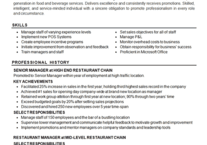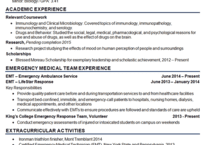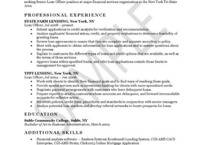
New Degree, New Resume
Your resume may have been full of content about your old career, but if you’ve completed a new degree and want to change fields there are a few things to keep in mind when crafting your new document.
Transferable Skills are Key
FREE Online Resume Builder - Use Templates to Build a Resume in Minutes!
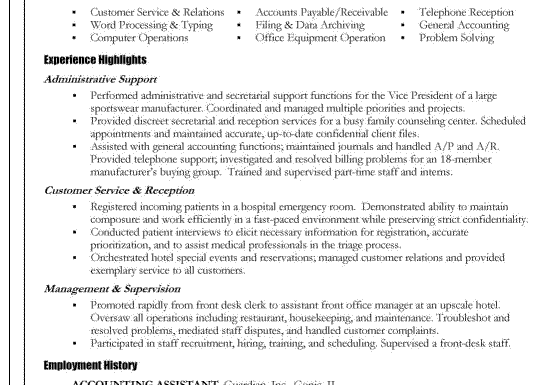
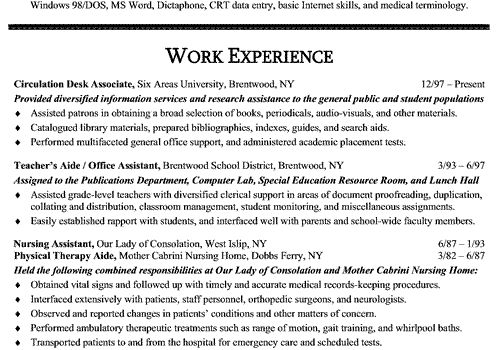
First, you will not have to start from scratch. Chances are that some of your experience included the use of skills that you will need in your new job, so you just need to identify those skills. For example, if you were a receptionist and now you are entering the nursing field, you can highlight some of your administrative and customer service skills.
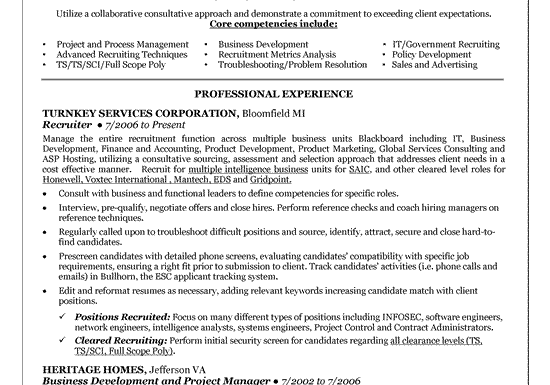
The next step is to bring out some of those skills in your job descriptions from the past. State what you did and the things you accomplished, but put items with those transferable skills higher up in the description.
For example, if you worked in a call center and had to report on activity and help customers, you could write:
Documented customer requests and responded to client needs individually.
This will still apply to your future job as a nurse, so it is important to highlight it. Keep this in mind as you write your resume.
Consolidate Similar Experiences
If you had a job that took place more than 15 years ago and irrelevant to what you want to do (say you delivered groceries in college) there is no need to include that. But what happens if you job-hopped and your past is a little choppy, but you still have relevant past experiences?
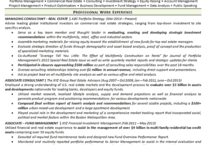
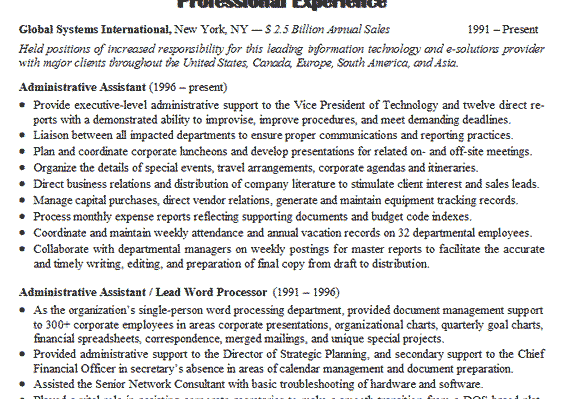
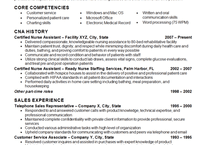
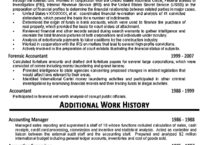
If you have a background full of similar jobs and a few interruptions into other fields or short-term gigs, you can use a technique to lump all of your relevant experience, like this:
Administrative Assistant
Company A (2005-2009)
Company B (2002-2003)
Company C (1999-2001)
List your duties in a few sentences. Since they are similar for each job, they can be lumped together.
- Use bullets for accomplishments.
- It is okay to call out the specific company in bullets to show which job you were at when you had a big achievement.
This way, even if you had another job between 2003 and 2005, you’re drawing attention to the fact that you have plenty of administrative experience.
Set the Tone with a Profile
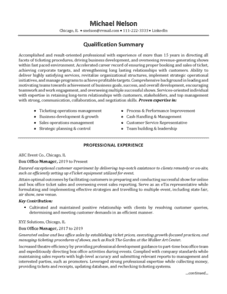
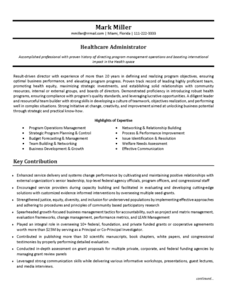
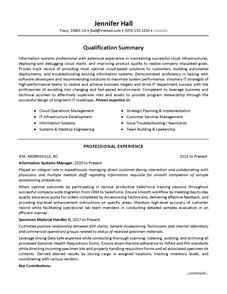
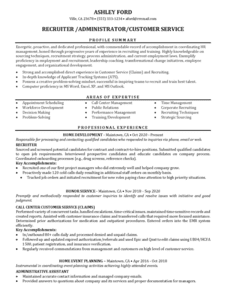
Regardless of what your past winds up looking like, your resume should start with a strong profile that summarizes everything you have to offer. This replaces the “objective,” which most people are familiar with. But if you have a few years under your belt, an objective is not relevant and they are better used for new professionals that do not have any professional experience.
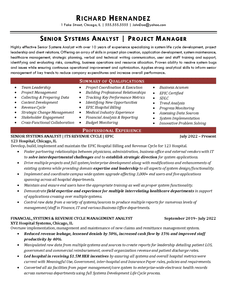
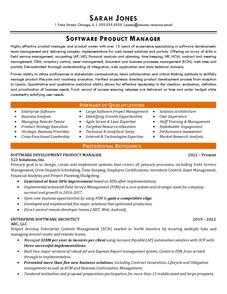
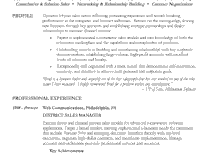
Instead, highlight your skills in a few sentences. Because you do not have experience in the new field, it is a smart idea to pull out those transferable skill areas that will help you transition into the medical field. For example, if you’re new to the nursing field and have a 15-year history of working as a secretary, your profile may look something like this:
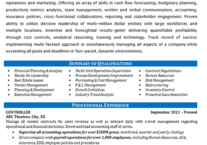
Qualifications Profile
- Nursing: Resourceful caregiver knowledgeable in all best practices of nursing including laboratory specimen collection, vitals monitoring, medication review, medical device usage, and physician relations. Recently earned RN degree and acquired state certification.
- Customer Service: Personable professional fostering strong relationships with patients, family members, physicians, and other associates in order to provide exemplary patient care.
- Process Improvements: Inventive leader deploying innovative improvements to expedite operations and enhance customer satisfaction. Dynamic educator able to train others in order to improve organizational function.
- Communication: Exceptional oral and written communication skills. Demonstrated success documenting practices in order to comply with regulatory and organizational standards.
- Strengths and Accomplishments: Team-building aptitude and impressive background training associates. Proven expertise providing comprehensive administrative support and demonstrated achievement overhauling electronic filing platform. Upbeat professional using critical thinking skills to provide competent and dignified patient care.
In this case, you don’t want to say you are a nurse and instead want to bring out those transferable skills. But if you have some background in the field, say you were already an LPN and just acquired your RN credentials or Bachelor’s in Nursing, you could lump everything into one paragraph highlighting your areas of expertise (diagnostics, at-home care, intravenous set-up, etc.) and specialties such as cardiac, OB-GYN or pediatrics. That may look like this:
Compassionate Registered Nurse adept in providing comprehensive patient care. Specialties include cardiac care, med/surg, pediatrics, OB-GYN, and emergency unit. Proficient in documenting patient status, communicating with family members and physicians, educating patients, and recording practices using electronic medical records. Excellent oral and written communication skills. Esteemed team player poised to continue career in nursing field; recently acquired RN certification.
Do you notice how if you do not have any experience in the field you want to enter, it’s best to pull out aspects of your past that you will use in the future, while still stating your intentions? In the later case, you could summarize your career because you already have expertise in the field but are just moving up the ladder. In either case, it’s important to state who you are in a profile as opposed to what you want to do, as you would in an objective. Even if you have no experience in the field you want to enter, you would still use that profile to highlight what you have to offer because you do, after all, have professional experience.
Whether you just got your new degree or are still working on it, creating a resume to reflect this important achievement is important in order to advance your career.
By Kristen Fischer