
Key Ways to Maximize Your Resume
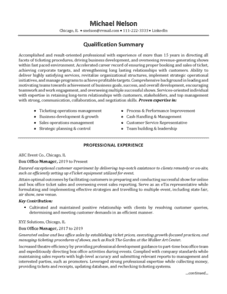
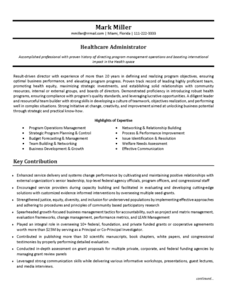
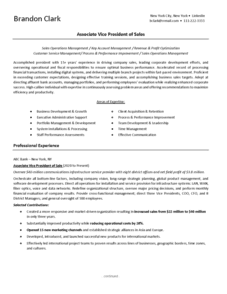
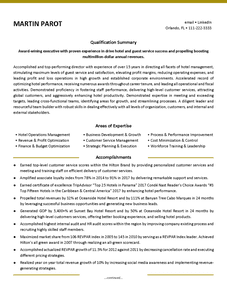
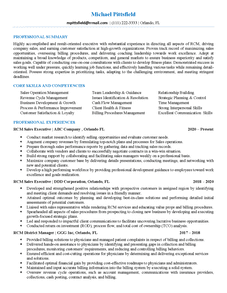
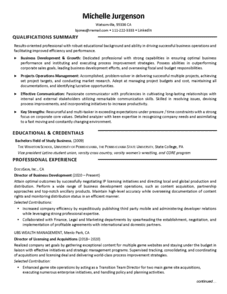
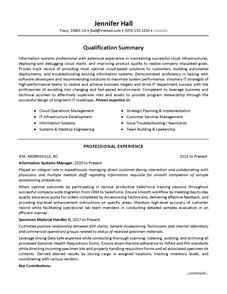
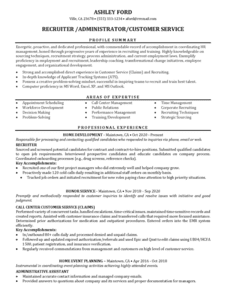
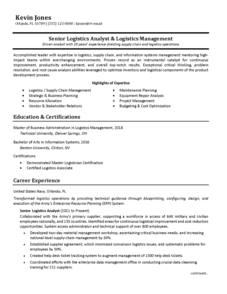
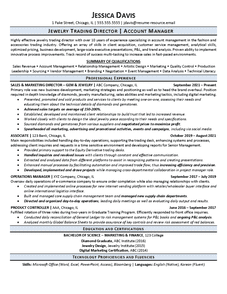
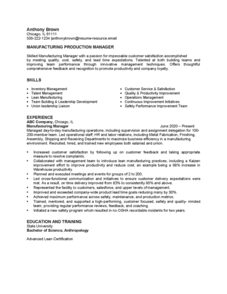
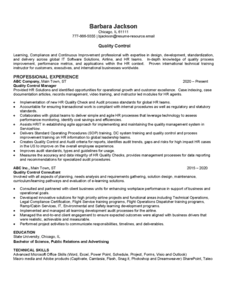
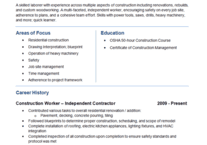
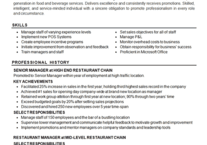
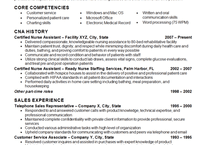
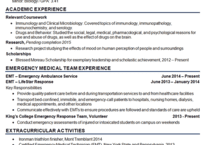
Maximizing your résumé, including presentation and content is the ticket to the interview. This is the only thing you have complete control over during the interview process. More importantly, it speaks volumes about your attention to detail and highlights (hopefully) your achievements in a meaningful way. Here are some tips to help your résumé stand out from the crowd and really make you shine like a nice new penny:
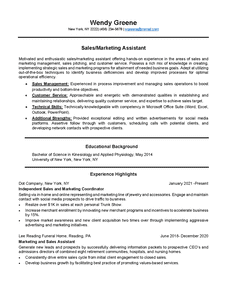
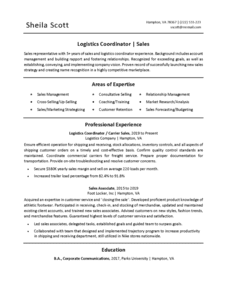
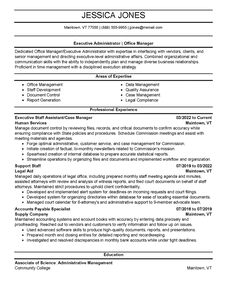
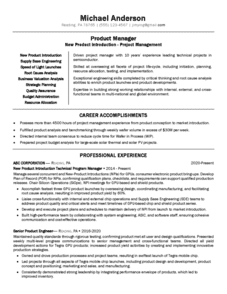
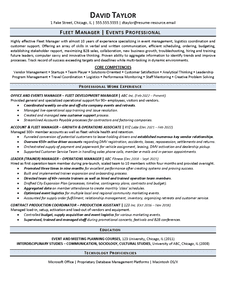
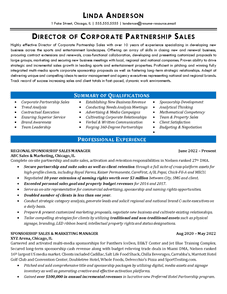
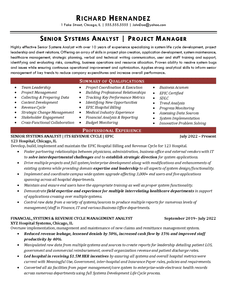
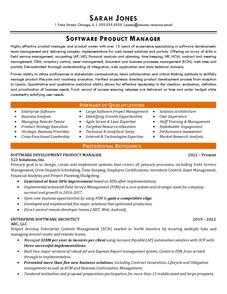
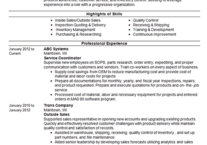
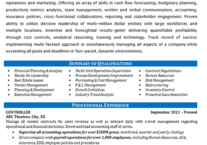
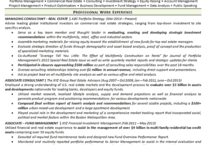
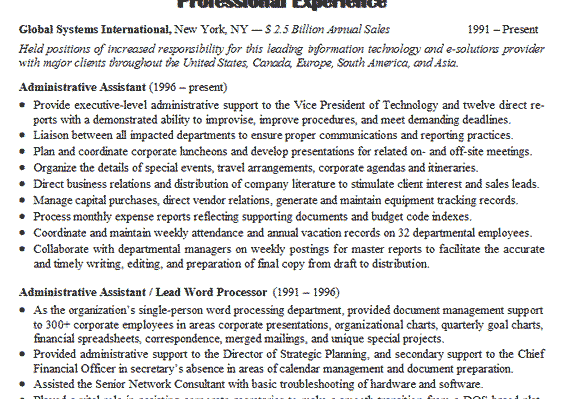
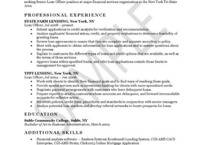
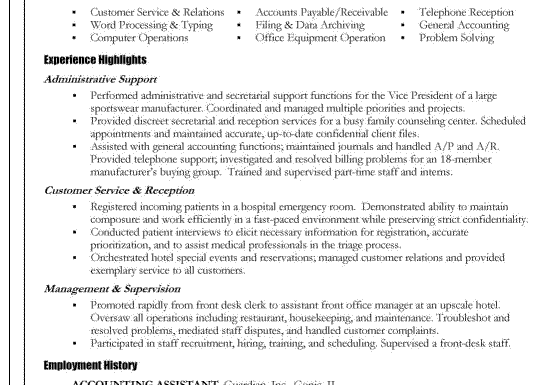
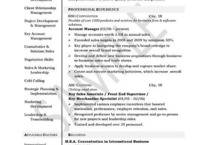
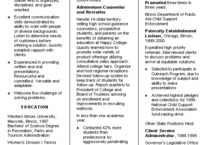
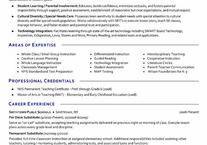
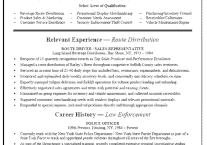
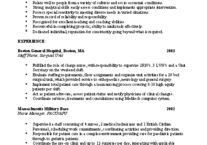
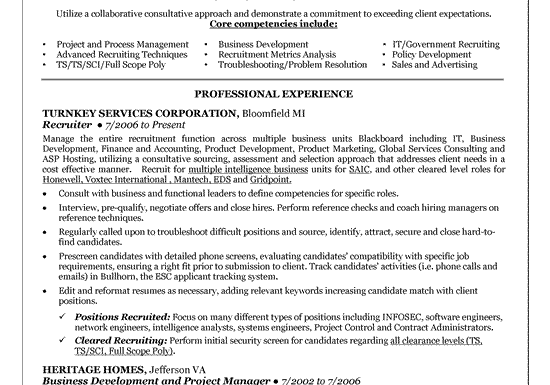
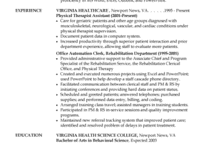
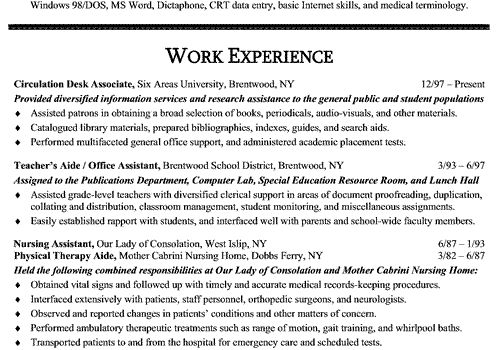
Formatting: The formatting should be consistent throughout your document. If you bold the title of your current position, all titles thereafter should also be in bold.
Layout: Having a nice amount of white space is preferable. When setting the margins, I recommend .6 for the top and bottom and .8 for the left and right. Do this before you start writing! Fixing the margins after the job is done will rearrange the content. What was one page might now become just over two and you will have to remove some things to keep the paging. Also consider the following:
FREE Online Resume Builder - Use Templates to Build a Resume in Minutes!
- Set tabs – do not tab over for dates or other things. The content will shift if you do this.
- Make sure all spacing in between bullets is the same size.
- Keep your font style and size consistent within each section.
- If you include a company descriptor for one role, do it for all of the roles.
Content: Of course, content is king! One of the best ways to make sure your document delivers the right amount of information is to use the SAR approach:
S: Situation: Define the situation in which you were involved. Provide a brief snapshot so the reader gets a sense of what was happening;
A: Action: What was the action you took? How did you improve or revise the issue? Provide a brief explanation of your role;
R: Result: What resulted from your work? Include a number or percentage to highlight the impact on a project, to the department, or to the organization overall.
Remember, your résumé should be like a skirt – long enough to cover the topic, but short enough to keep it interesting!
Spelling and Grammar: There is nothing worse than a résumé with grammatical and spelling mistakes. The end. Check it; have someone else review it; check it again. Spell check is not enough.
Maximizing your résumé, including presentation and content is the ticket to the interview. This is the only thing you have complete control over during the interview process. More importantly, it speaks volumes about your attention to detail and highlights (hopefully) your achievements in a meaningful way. Here are some tips to help your résumé stand out from the crowd and really make you shine like a nice new penny:
Formatting: The formatting should be consistent throughout your document. If you bold the title of your current position, all titles thereafter should also be in bold.
Layout: Having a nice amount of white space is preferable. When setting the margins, I recommend .6 for the top and bottom and .8 for the left and right. Do this before you start writing! Fixing the margins after the job is done will rearrange the content. What was one page might now become just over two and you will have to remove some things to keep the paging. Also consider the following:
- Set tabs – do not tab over for dates or other things. The content will shift if you do this.
- Make sure all spacing in between bullets is the same size.
- Keep your font style and size consistent within each section.
- If you include a company descriptor for one role, do it for all of the roles.
Content: Of course, content is king! One of the best ways to make sure your document delivers the right amount of information is to use the SAR approach:
S: Situation: Define the situation in which you were involved. Provide a brief snapshot so the reader gets a sense of what was happening;
A: Action: What was the action you took? How did you improve or revise the issue? Provide a brief explanation of your role;
R: Result: What resulted from your work? Include a number or percentage
Maximizing your résumé, including presentation and content is the ticket to the interview. This is the only thing you have complete control over during the interview process. More importantly, it speaks volumes about your attention to detail and highlights (hopefully) your achievements in a meaningful way. Here are some tips to help your résumé stand out from the crowd and really make you shine like a nice new penny:
Formatting: The formatting should be consistent throughout your document. If you bold the title of your current position, all titles thereafter should also be in bold.
Layout: Having a nice amount of white space is preferable. When setting the margins, I recommend .6 for the top and bottom and .8 for the left and right. Do this before you start writing! Fixing the margins after the job is done will rearrange the content. What was one page might now become just over two and you will have to remove some things to keep the paging. Also consider the following:
- Set tabs – do not tab over for dates or other things. The content will shift if you do this.
- Make sure all spacing in between bullets is the same size.
- Keep your font style and size consistent within each section.
- If you include a company descriptor for one role, do it for all of the roles.
Content: Of course, content is king! One of the best ways to make sure your document delivers the right amount of information is to use the SAR approach:
S: Situation: Define the situation in which you were involved. Provide a brief snapshot so the reader gets a sense of what was happening;
A: Action: What was the action you took? How did you improve or revise the issue? Provide a brief explanation of your role;
R: Result: What resulted from your work? Include a number or percentage to highlight the impact on a project, to the department, or to the organization overall.
Remember, your résumé should be like a skirt – long enough to cover the topic, but short enough to keep it interesting!
Spelling and Grammar: There is nothing worse than a résumé with grammatical and spelling mistakes. The end. Check it; have someone else review it; check it again. Spell check is not enough.
to highlight the impact on a project, to the department, or to the organization overall.
Remember, your résumé should be like a skirt – long enough to cover the topic, but short enough to keep it interesting!
Spelling and Grammar: There is nothing worse than a résumé with grammatical and spelling mistakes. The end. Check it; have someone else review it; check it again. Spell check is not enough.