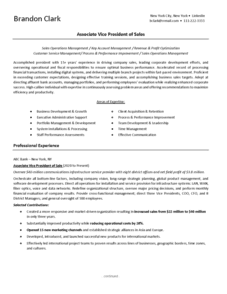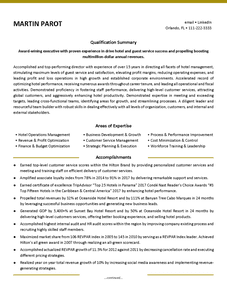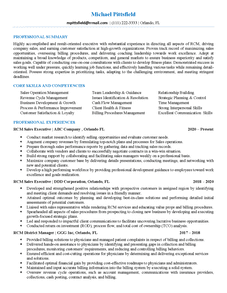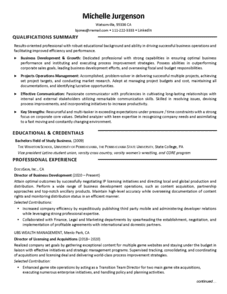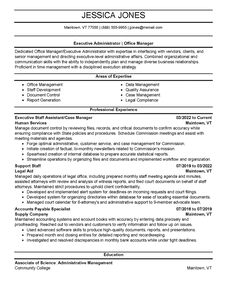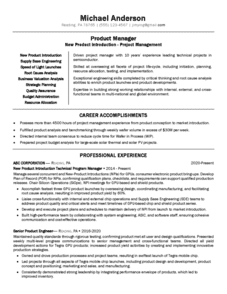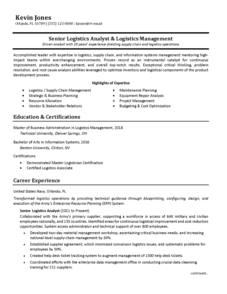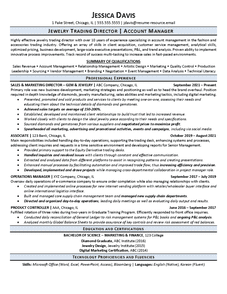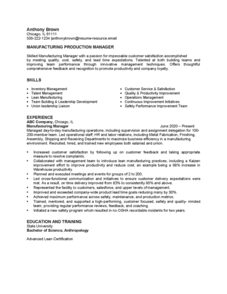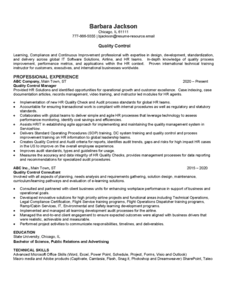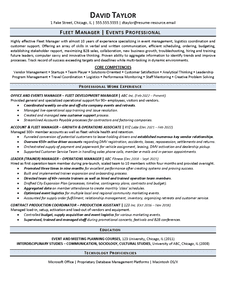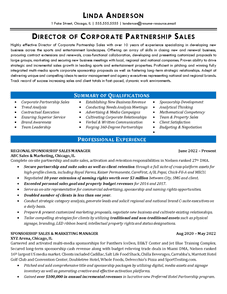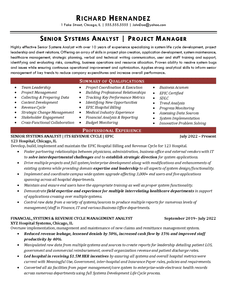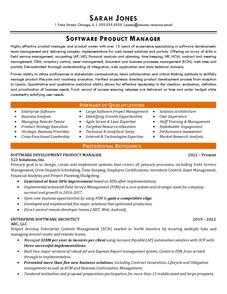

The Resume Formatting category includes a list of articles that specifically focus on the style, format, typography and structure of your resume.
There are a variety of tactics to improve your resume formatting such as using headlines; designing executive summaries; building a creative structure; creating tradition or hybrid functional resume; and preparing professional experience.Graphics on Your Resume…Where Do You Draw the Line?
Resumes have come a long way. Because Microsoft Word® has made formatting documents even easier, resumes are more stylish in appearance. Even a touch of color is common. What about graphics? Is it a good idea to use graphics on a resume? Check out these tips:
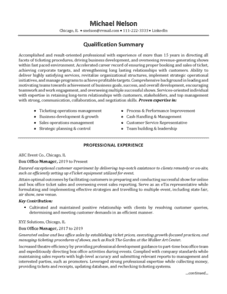
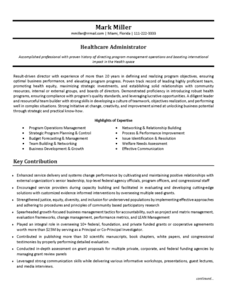
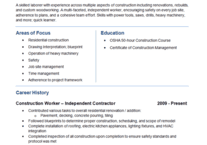
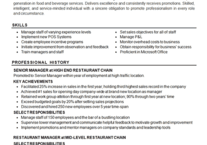
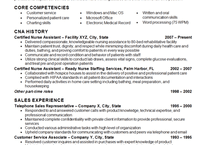
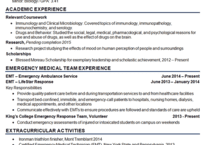
- Your industry and occupation will drive the style of resume that is right for you. Compare this more creative resume for an art director with an accountant’s more conservative resume.
- We see many technology resumes loaded down with logos from industry certifications. A simple listing of your relevant certifications is more appropriate. The logos distract from your achievements and skills.
- What about graphic charts? These are eye-catching and impactful. However, many application tracking software applications used by employers will not pick up this data. A safe solution would be to create a version of your resume with the graphic chart for presentation at the interview. Prior to the interview, it is wise to send and use a resume that is compatible with application tracking software.
- Simple lines and shaded areas to divide categories are great to give the reader’s eyes a break. A framed border is another discreet way to introduce a little color and graphics into your resume.
- For some candidates personal logos or monograms are appropriate. For example, if you are a consultant or freelance designer, you may want to include a logo from your business.
- In some professions, such as broadcasting, it is the standard requisite to include a small photo on the upper portion of the resume, or to print the resume on the backside of a headshot.
The most important advice regarding graphics is, don’t go too far. How far is too far? It’s similar to decorating your home…it is objective. If you don’t have an eye for this, ask a resume writing professional.
Resume Format – Which One is Best?
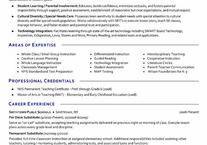
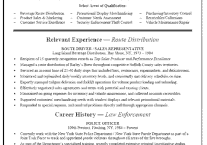
Choosing a resume format can be tricky. You want to select a style that is both aesthetically pleasing, and also meets your personal and professional needs. There are 3 main types of resume formats from which you can choose. The first resume format is the reverse chronological resume, the second is called the hybrid resume, and the third is the functional resume. Let’s discuss them individually.
Resume and Cover Letter Readability: 5 Tips for Success
There are differing opinions regarding what constitutes the ultimate resume style and format; however, there is unanimous agreement about the importance of readability. After all, what point is there in creating a resume, if no one reads the content?
The Importance of Resume Aesthetics
Before we get into the importance of resume aesthetics, I think it is makes sense to define exactly what the term aesthetics means. Aesthetics is classified by merriamwebster.com as a pleasing appearance or effect.
3 Reasons to Make Your Ugly Resume Pretty
Okay, so if you are a guy you may be wondering why you would want a “pretty” resume. If it makes you feel better, you can make your resume handsome instead. How’s that? Either way, the point is that while content is important, visual aesthetics rank a close second and should never be overlooked.
Your Resume is Outdated
It’s a fact. If you have not looked for a job in the last few years, and even if you have, you probably don’t know how to do it. So please read on. It could mean the difference between being called in for an interview and being passed over for a more savvy-and better prepared-job candidate.
Formatting – You Aren’t Single Dimensional – So Why Is Your Resume?
Choosing a resume style is as difficult or easy as choosing the most suitable dress or suit for that all-important interview. It is all too simplistic to say that a one ‘jacket fits all’ strategy will work for everyone when deciding what resume style to use – still, most job seekers take this approach and use a functional resume, even when it may not be well suited to their specific situation. One appropriate alternative to the functional resume is the combination resume. You may wonder how this type of resume will work for you. What you need to understand is the fact that each person’s situation is different, and resume readers (your potential bosses) are different people with variable moods and different points of view.
Resume Formats – Choosing the Right One
When browsing the resume examples on the web and on this site, you will notice a large variation in resume styles and resume formats. So you ask yourself: How do I choose the resume formats that will work for me? Hopefully, I can give you some ideas on how to answer that question.
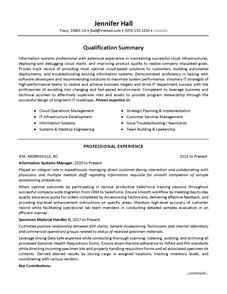
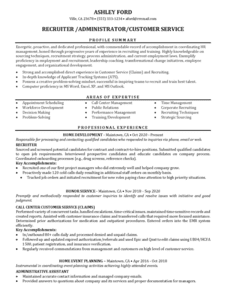
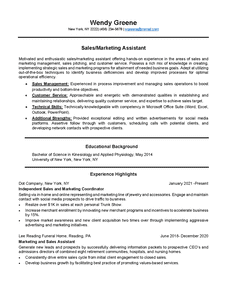
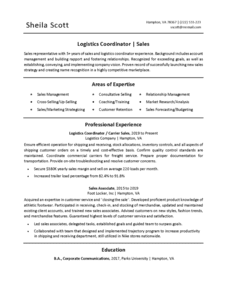
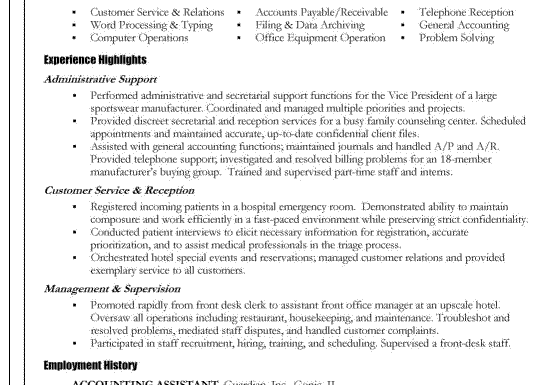
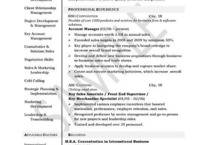
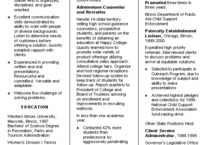
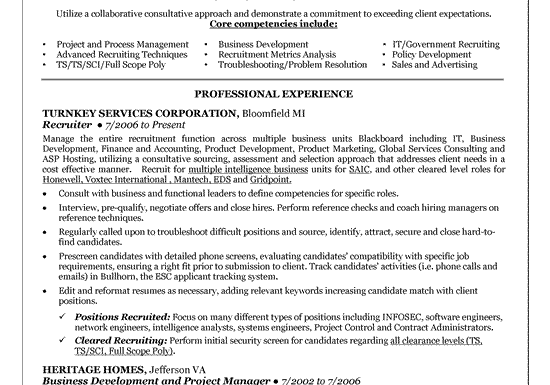
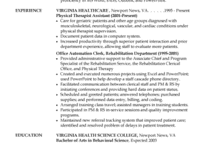
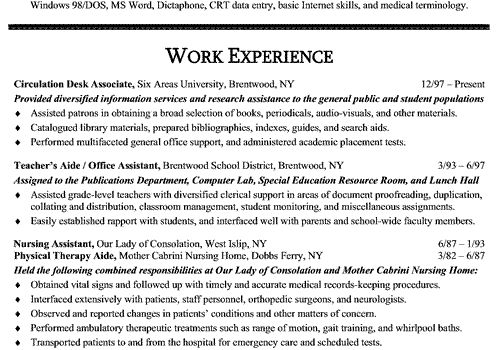
Lets start off with basics of resume formats. In one way or another, a resume is either going to be written in reverse-chronological or functional format. The reverse-chronological format includes an introduction followed by a listing/description of your work history starting with the most recent job in descending order. The functional format usually includes an abbreviated introduction followed by a list of job functions with descriptions, then simply lists work history with no descriptions. Examples of these two types of resume formats can be seen here:
Your Resume Should Have Character
The notion that employers are only interested in where you have been and where you are heading is pure nonsense. Experienced hiring managers take into account both your experience and your character. After all, in the end, they are hiring a human being, not a robot. Still, many believe that personal attributes just take up space and make the resume “fluffy.”