
<?xml version="1.0" encoding="UTF-8"?>
<rss version="2.0"
	xmlns:content="http://purl.org/rss/1.0/modules/content/"
	xmlns:wfw="http://wellformedweb.org/CommentAPI/"
	xmlns:dc="http://purl.org/dc/elements/1.1/"
	xmlns:atom="http://www.w3.org/2005/Atom"
	xmlns:sy="http://purl.org/rss/1.0/modules/syndication/"
	xmlns:slash="http://purl.org/rss/1.0/modules/slash/"
	>

<channel>
	<title>Resume Writing, Jobs and Careers Blog &#187; Resume Writing</title>
	<atom:link href="http://www.resume-resource.com/resumeblog/category/resume-writing/feed/" rel="self" type="application/rss+xml" />
	<link>http://www.resume-resource.com/resumeblog</link>
	<description>Resume Writing, Cover Letter Writing, Job Search and Advice to Advance Your Career</description>
	<lastBuildDate>Wed, 18 Nov 2009 15:13:38 +0000</lastBuildDate>
	<generator>http://wordpress.org/?v=2.8.5</generator>
	<language>en</language>
	<sy:updatePeriod>hourly</sy:updatePeriod>
	<sy:updateFrequency>1</sy:updateFrequency>
			<item>
		<title>Resumes Done Write</title>
		<link>http://www.resume-resource.com/resumeblog/resumes-done-write/143/</link>
		<comments>http://www.resume-resource.com/resumeblog/resumes-done-write/143/#comments</comments>
		<pubDate>Sun, 23 Aug 2009 16:41:59 +0000</pubDate>
		<dc:creator>dwheatman</dc:creator>
				<category><![CDATA[Resume Writing]]></category>

		<guid isPermaLink="false">http://www.resume-resource.com/resumeblog/?p=143</guid>
		<description><![CDATA[Resume writing can be a tricky thing. What type should you use? Should it be hybrid, reverse chronological or functional? How do you know which one is right for your particular situation? Color? Do you need color? What about a picture – of yourself or something else? How do you figure out what to do?
Here [...]]]></description>
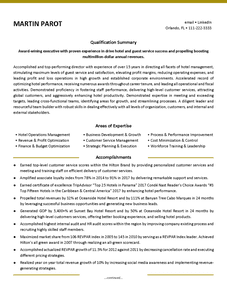
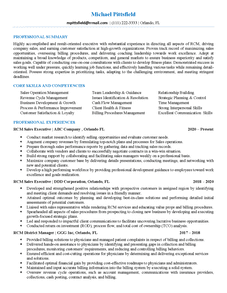
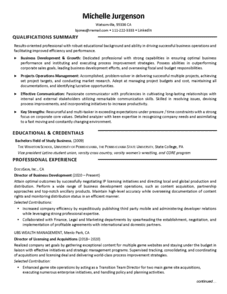
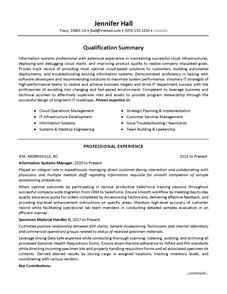
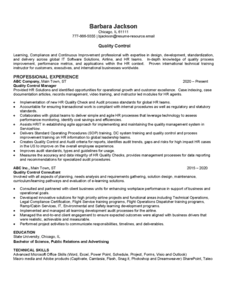
			<content:encoded><![CDATA[<p>Resume writing can be a tricky thing. What type should you use? Should it be hybrid, reverse chronological or functional? How do you know which one is right for your particular situation? Color? Do you need color? What about a picture – of yourself or something else? How do you figure out what to do?</p>
<p>Here I will give you the answers to the above and provide some other tips in this post entitled ResumesDoneWrite, aptly named for my company and blog of the same name.</p>
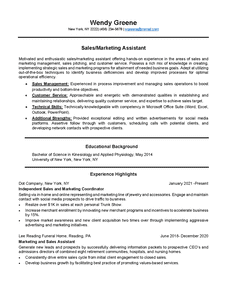
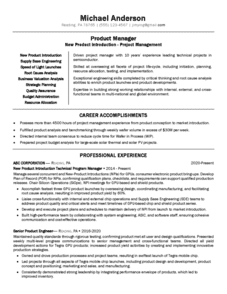
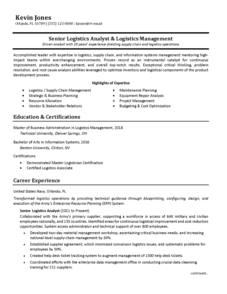
<p><strong>1.</strong> <strong>Resume Style </strong>- There are many approaches to resume writing. Below are some of the most compelling things you should consider, and in some cases use when creating your resume.</p>
<ul>
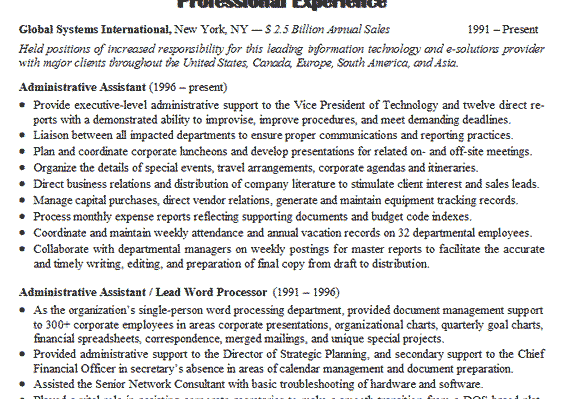
<li><strong>Reverse Chronological Style: </strong>Reverse chronological resumes are best utilized when you have not had any gaps in employment and have not changed career paths. Reverse chronological is what hiring managers expect to see because it is the most common. Fear not though – if you have changed careers, industries, or been out of the game for a bit of time there are other ways for you to present your credentials that will still draw attention and ‘get you the interview’. Reverse chronological resumes start with your most recent position and work backwards. I recommend not referencing things in any great detail that go back farther than 10-15 years. You can reference a Previous Experience section where you reveal the company name and your title. If it comes up in an interview, be prepared to address it there. Your resume should ‘show a little shoulder’ not give away the entire store.</li>
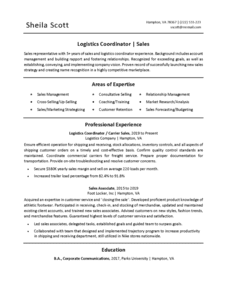
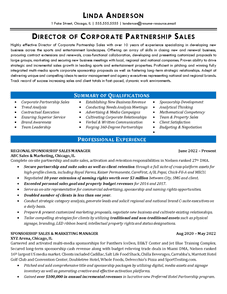
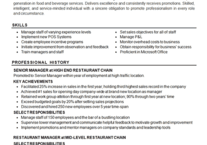
<li><strong>Hybrid Style: </strong>The hybrid setup will allow you to reference key achievements in a section of the same name at the top of the resume. This is particularly useful if you are transitioning to a new industry, embarking on a new career path, or reentering the workforce after an absence. The key achievements should reveal compelling information that can be correlated to the position you are seeking. If you are in possession of a job description, even better. Review it to help tailor the resume for the position. In each style it is imperative that you provide the reader with metrics that support the work that you have done. The meat is in the results. A sure way to get your resume noticed is to provide clear and concise examples with the outcome so the reader understands how you made an impact.</li>
</ul>
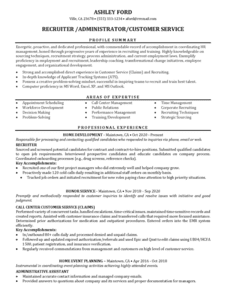
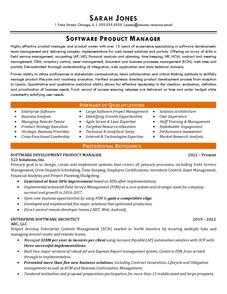
<p><strong>2. The Headline </strong>- At the very top of your resume write a headline. This will serve to tell everyone reading what you do, what you are good at, and in some way what you want without stating it in an outdated objective. The headline is like a newspaper headline. You might consider the following: GENERAL BUSINESS MANAGEMENT /OPERATIONS LEADERSHIP. That headline would go right underneath your name and contact details and clearly conveys that you are management professional who runs operations. It’s the quick hit to set the tone of the document.</p>
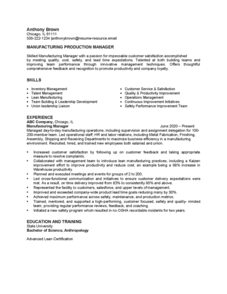
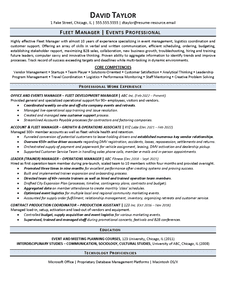
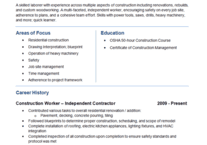
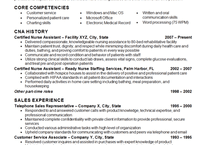
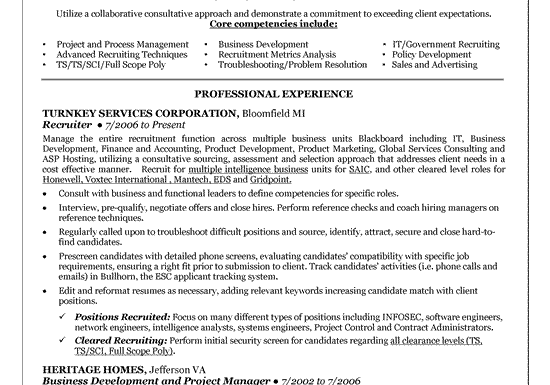
<p><strong>3. Core Competencies</strong> &#8211; I know I write about this all the time; but it really is important or I wouldn’t stand on the box about it. Hiring managers and internal screening systems (Taleo, etc.) can easily scan this for your key attributes. Write six or eight core competencies – and make them meaningful.</p>
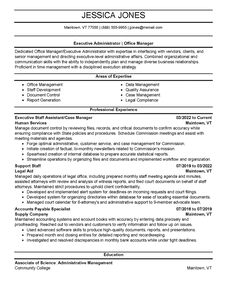
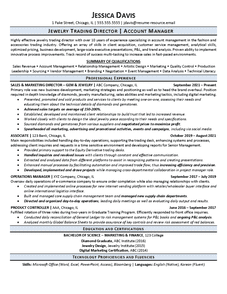
<p><strong>4. Using Color </strong>- Here’s an interesting question – the question of color on the resume. When well done and in the appropriate situation, color can work very well on the resume. Less is more in this case so you will need to be careful. If you work in marketing, communications, public relations or a creative field, consider adding some color to your document. I don’t mean iridescent yellow. The reader won’t have to find the resume in the dark. I mean something classy. You should consider Accent 2 (Darker 25%); Background 2 (Darker 25%); Accent 3 (Darker 50%). You can use them for your name and personal details and perhaps even start the first portion of the bullets with a color. These colors are muted; so they don’t want to make you run from the room screaming. I think they set a nice tone and will liven up the resume a bit.</p>
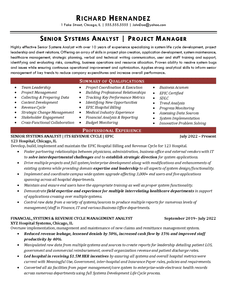
<p><strong>5. Picture Perfect:</strong> I have used pictures on resumes that I have created for my clients – not their likeness, but actual photos from IStockPhoto.com, bigstockphoto.com or other free or cheap stock photo sites. They are easy to download and size; and once purchased, you can save them for use somewhere else. Again, you need to be careful about using a picture. I would not recommend this if you work in financial services, consulting, or manufacturing, for example. Do you work in the recreation field? I wrote a resume for a client that had extensive experience handling parks and recreation activities. A picture was perfect for her resume. When complemented by the rest of the written content really told, well, the complete picture of her skills and abilities. Other resumes where I have included pictures are for graphic designers, musicians, and event planners. When done correctly, it can really make your resume stand out from the crowd without being obnoxious or ‘hokey’.</p>
<p><strong>Closing Thoughts</strong></p>
<p>There is no such way as the ‘right’ way when it comes to writing a resume. The right resume is the one that gets you the interviews. Consider your options; if you need, get some professional help to ensure you are positioned effectively. You won’t be sorry. A well-written professional document can really mean the difference between the interviews that get you the job offers – and a situation where you sit around wondering why nobody is calling. Capable enough to do it yourself? Even better! Make sure you do some research. There are resources online where you can use a template to create your own document. Just make sure you send the right message. Include the results of your efforts in a meaningful and concise way. In your job search you have the most control over your resume – so make it a great one.</p>
<div class="sigblock">
<p>Debra Wheatman, CPRW, CPCC is the founder and Chief Career Strategist of ResumesDoneWrite, a premier career services provider focused on developing highly personalized career roadmaps for senior leaders and executives across all verticals and industries. Debra can be reached at:</p>
<p><a href="mailto:dwheatman@resumesdonewrite.com">DWheatman@ResumesDoneWrite.com</a><br />
<a href="http://resumesdonewrite.blogspot.com">The Career Doctor Blog </a><br />
<a href="http://www.resumesdonewrite.com">ResumesDoneWrite</a><br />
<a href="http://www.linkedin.com/in/resumesdonewrite">Connect to me on LinkedIn</a><br />
<a href="http://twitter.com/DebraWheatman">Follow me on Twitter</a></p></div>]]></content:encoded>
			<wfw:commentRss>http://www.resume-resource.com/resumeblog/resumes-done-write/143/feed/</wfw:commentRss>
		<slash:comments>1</slash:comments>
		</item>
		<item>
		<title>Top Five Reasons Why Your Resume Sucks!</title>
		<link>http://www.resume-resource.com/resumeblog/top-five-reasons-why-your-resume-sucks/85/</link>
		<comments>http://www.resume-resource.com/resumeblog/top-five-reasons-why-your-resume-sucks/85/#comments</comments>
		<pubDate>Mon, 03 Aug 2009 12:04:50 +0000</pubDate>
		<dc:creator>dwheatman</dc:creator>
				<category><![CDATA[Resume Writing]]></category>

		<guid isPermaLink="false">http://www.resume-resource.com/resumeblog/top-five-reasons-why-your-resume-sucks/85/</guid>
		<description><![CDATA[You have sent out hundreds and hundreds of resumes with barely a response. You reason that it’s the economy and some other factors that you are simply not aware of. How can this be? No response whatsoever? You have accomplished a lot; you were well liked in your last role and did a number of [...]]]></description>
			<content:encoded><![CDATA[<p>You have sent out hundreds and hundreds of resumes with barely a response. You reason that it’s the economy and some other factors that you are simply not aware of. How can this be? No response whatsoever? You have accomplished a lot; you were well liked in your last role and did a number of things for the company that even resulted in a promotion. So what’s going on? I will tell you. It has nothing to do with you. It’s your resume that sucks! What’s wrong with your resume? It may be these top five things:</p>
<p><strong>1. Your resume Is Not Results Oriented</strong></p>
<p>For reasons completely unknown to me, people like to reference the things they are responsible for rather than the results they obtained! Again, this document is an important marketing and sales tool. The examples of what you have done with the corresponding outcome are paramount to ensure that your resume is considered! If you don’t reference how you drove productivity, revenue, profitability, or added value – some type of value, you will not be successful!</p>
<blockquote>
<blockquote>
<blockquote><p><em> Make sure you provide the reader with the juicy details of how you added value for your employer. Here are a few examples to help you get started:</em></p>
<ul>
<li><em>Drafted a full business plan, including the financial forecast to open a new profit center for the company, resulting in a 40% revenue increase in year one.</em></li>
<li><em>Conceptualized and implemented a team training concept, which reduced production downtime by 35% and increased employee productivity by 50%.</em></li>
</ul>
</blockquote>
</blockquote>
</blockquote>
<p><strong>2. You Don’t Have Core Competencies Called Out</strong></p>
<p>This is a quick snap-shot of what you are offering your next employer. This section is critical; it shows the reader at a quick glance what you bring to the table and what you have accomplished in the past. It will help the reader quickly understand the competencies you possess as they connect with the position for which you are applying.</p>
<blockquote>
<blockquote><p><em>It can be a bulleted list of key words that when scanned by a person or a system will be easily identified as your key attributes. Don’t be afraid to revise your existing, or add new competencies to meet the position description. I would not suggest adding them verbatim; get a little creative in how you write them.</em></p></blockquote>
</blockquote>
<p><strong> 3. You have Grammar And Spelling Mistakes</strong></p>
<p>Grammar and spelling errors plague resumes! I once had a client who indicated that he put a plane in the ‘hanger’. Really, I thought – that had to be some closet! Spell check will not pick up things like this because hanger is a word, the wrong one, but a word nonetheless. Whatever the reason for the mistake &#8211; this is a costly error if detected by a hiring manager.</p>
<blockquote>
<blockquote><p><em>I would like to say that there is a catchall that will help you identify all errors related to grammar and spelling, but alas, I cannot. Of course use spell check. You should also read your resume backwards, yes, backwards to help you catch errors. I also recommend identifying a friend or family member that is rock solid with English grammar and spelling. Have that person review your resume to ensure that all errors are caught before you submit the resume. You should also consider getting The Blue Book of Grammar and Punctuation, which will definitely put you on the straight and narrow with respect to proper word usage. You will still need to get help with the spelling area though.</em></p></blockquote>
</blockquote>
<p><strong>4. Your Presentation is Awful</strong></p>
<p>How your resume looks is also important! Do your dates line up? Do lines roll to a second or third page? Consistent and an aesthetically pleasing presentation will help your resume shine. This demonstrates attention to detail – an all-important characteristic. If your resume looks sloppy, what will the hiring manager think? Possibly that you are disorganized and lack focus to ensure the details are reviewed. First impressions are lasting ones, and you want your resume to clearly articulate that you are focused, capable, and able to contribute to positive and lasting change. Choose an updated font like Book Antiqua in 10pts, Cambria in 10pts, or Tahoma in 9.5pts. Times New Roman is an outdated font, so I would encourage you to use something more timely.</p>
<blockquote>
<blockquote><p><em>Either get your resume professionally done, which will ensure that you are positioned correctly, and all your i’s are dotted and your t’s are crossed. Alternatively, there are many templates available online where you can populate your information into an existing format. This will help you stay on track and generate a document that is consistent and pleasing to look at.</em></p></blockquote>
</blockquote>
<p><strong>5. You Still Have An Objective Statement</strong></p>
<p>Aside from being complete outdated, objectives tell the reader what you want, not what you offer. A resume is a marketing and sales tool about YOU. You need to offer up information about what you bring to the company – not what you want them to do for you.<br />
<em><br />
</em></p>
<blockquote>
<blockquote>
<blockquote><p><em>Instead, start your resume off with a compelling summary. This is 6-7 sentences about what you offer. Since you don’t have a lot of time to make an impact, reference things that are unique – things where you made a sustainable impact. You can even show metrics in your summary to quickly demonstrate the value that you offer. Your summary is your overview about your key attributes peppered with an example or two to make a swift impact.</em></p></blockquote>
</blockquote>
</blockquote>
<p>There’s my top five for you with some actionable solutions to help you create a rockin’ results-oriented resume!</p>
<div class="sigblock">
<p>Debra Wheatman, CPRW, CPCC is the founder and Chief Career Strategist of ResumesDoneWrite, a premier career services provider focused on developing highly personalized career roadmaps for senior leaders and executives across all verticals and industries. Debra can be reached at:</p>
<p><a href="mailto:dwheatman@resumesdonewrite.com">DWheatman@ResumesDoneWrite.com</a><br />
<a href="http://resumesdonewrite.blogspot.com">The Career Doctor Blog </a><br />
<a href="http://www.resumesdonewrite.com">ResumesDoneWrite</a><br />
<a href="http://www.linkedin.com/in/resumesdonewrite">Connect to me on LinkedIn</a><br />
<a href="http://twitter.com/DebraWheatman">Follow me on Twitter</a></p></div>]]></content:encoded>
			<wfw:commentRss>http://www.resume-resource.com/resumeblog/top-five-reasons-why-your-resume-sucks/85/feed/</wfw:commentRss>
		<slash:comments>2</slash:comments>
		</item>
		<item>
		<title>Don&#8217;t Use that Verb, Use These</title>
		<link>http://www.resume-resource.com/resumeblog/dont-use-that-verb-use-these/84/</link>
		<comments>http://www.resume-resource.com/resumeblog/dont-use-that-verb-use-these/84/#comments</comments>
		<pubDate>Tue, 28 Jul 2009 23:08:51 +0000</pubDate>
		<dc:creator>dwheatman</dc:creator>
				<category><![CDATA[Resume Writing]]></category>

		<guid isPermaLink="false">http://www.resume-resource.com/resumeblog/dont-use-that-verb-use-these/84/</guid>
		<description><![CDATA[After having written more than 10,000 resumes and telling people constantly that there are more verbs out there than managed and developed, I decided to put pen to paper (or let my fingers do the walking on the keyboard in this case) to give you some help with other verbs. Don’t get me wrong – [...]]]></description>
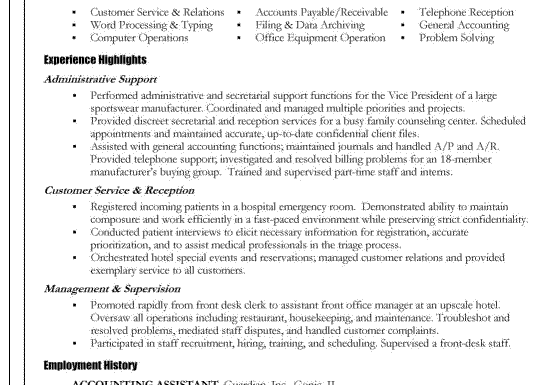
			<content:encoded><![CDATA[<p>After having written more than 10,000 resumes and telling people constantly that there are more verbs out there than managed and developed, I decided to put pen to paper (or let my fingers do the walking on the keyboard in this case) to give you some help with other verbs. Don’t get me wrong – there is nothing wrong with managed or developed. The issue is that when writing a résumé, people use them all the time – I mean in every line. You want to engage the reader, not help the person lapse into a coma. I realize that these don’t exactly correlate. I want to give you some ideas. Without further ado, here is a list (albeit a short list) of alternative verbs that you should consider.</p>
<p>Your browser may not support display of this image.</p>
<p>You should also definitely check out <a href="http://www.thesaurus.com">Thesaurus.com</a> or you can try out the very cool <a href="http://www.visualthesaurus.com">visualthesaurus.com</a> where you will find a plethora, myriad, a veritable cornucopia of enticing, invigorating, and all around exciting words that will send sparks flying through your brain! These tools will give you numerous choices of synonyms for commonly used words. It doesn’t only apply to verbs folks; it applies to all words in the English language. The only caveat that you need to be mindful of is that some words may “be” synonyms but do not really convey the meaning of the original word. Sometimes it takes a little digging, but I can assure you – it’s worth it; and will spice up your resume. That’s a sample of my mind origami for the written word. Do you want the whole shebang? The entire kit and kaboodle? The kitchen sink? I will be happy to share more with you. All you have to do is email me at dwheatman@resumesdonewrite.com.</p>
<p>Happy resume writing!</p>
<div class="sigblock">
<p>Debra Wheatman, CPRW, CPCC is the founder and Chief Career Strategist of ResumesDoneWrite, a premier career services provider focused on developing highly personalized career roadmaps for senior leaders and executives across all verticals and industries. Debra can be reached at:</p>
<p><a href="mailto:dwheatman@resumesdonewrite.com">DWheatman@ResumesDoneWrite.com</a><br />
<a href="http://resumesdonewrite.blogspot.com">The Career Doctor Blog </a><br />
<a href="http://www.resumesdonewrite.com">ResumesDoneWrite</a><br />
<a href="http://www.linkedin.com/in/resumesdonewrite">Connect to me on LinkedIn</a><br />
<a href="http://twitter.com/DebraWheatman">Follow me on Twitter</a></p></div>]]></content:encoded>
			<wfw:commentRss>http://www.resume-resource.com/resumeblog/dont-use-that-verb-use-these/84/feed/</wfw:commentRss>
		<slash:comments>0</slash:comments>
		</item>
		<item>
		<title>Writing a Resume When You have Been Out of the Workforce</title>
		<link>http://www.resume-resource.com/resumeblog/how-to-write-a-resume-when-you-have-been-out-of-the-workforce/82/</link>
		<comments>http://www.resume-resource.com/resumeblog/how-to-write-a-resume-when-you-have-been-out-of-the-workforce/82/#comments</comments>
		<pubDate>Mon, 20 Jul 2009 12:38:00 +0000</pubDate>
		<dc:creator>dwheatman</dc:creator>
				<category><![CDATA[Resume Writing]]></category>

		<guid isPermaLink="false">http://www.resume-resource.com/resumeblog/how-to-write-a-resume-when-you-have-been-out-of-the-workforce/82/</guid>
		<description><![CDATA[If you have been out of the workforce for some time and are now planning your strategy for reentry, you will definitely need a resume that highlights your key achievements (even those that were some time ago) to ensure that you are positioned appropriately.
A résumé really serves a couple of purposes. For starters it provides [...]]]></description>
			<content:encoded><![CDATA[<p>If you have been out of the workforce for some time and are now planning your strategy for reentry, you will definitely need a resume that highlights your key achievements (even those that were some time ago) to ensure that you are positioned appropriately.</p>
<p>A résumé really serves a couple of purposes. For starters it provides a potential hiring manager with information regarding your professional background. More importantly though, it demonstrates your ability to deliver results – even if those results were generated a few years ago. Everything counts. In light of this, it is perfectly fine to reference things done several years ago at the top of the document. You want to draw the reader’s attention to what you have done – this demonstrates your potential. Just because you have not been in a traditional employment role does not mean you cannot add value. Have you done any volunteer work? If so, that would most definitely count, and I would strongly suggest adding that information to your document.</p>
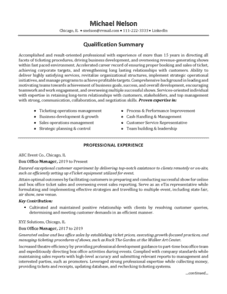
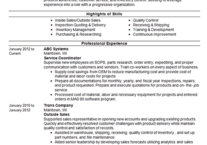
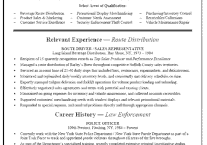
<p>Here’s an example of how your resume might look if you have been engaged in other things for the past few years:</p>
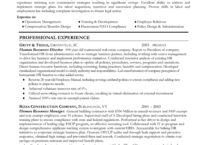
<p><img title="resume header for being out of workforce" src="http://www.resume-resource.com/resumeblog/pics/respdf1.jpg" alt="resume header for being out of workforce" width="520" height="426" /></p>
<p>As you can see the headline at the top provides a quick understanding of what this person’s focus is as related to conducting a job search. This client has been in sales in the past and managed client interactions. Immediately the reader understands this and can apply this concept as part of potential fit within a role.</p>
<p>Next is the core competency section. This section is critical to a résumé. Especially in light of the fact that you have less than 10 seconds to make an impact, this section facilitates ease of reading. Those bullets will demonstrate to the hiring manager if the candidate possesses the key elements to fill a role. In that area you will notice that a number of things are covered &#8211; leadership and project management, to client relationships – all things that are important in a client facing sales role. The great thing about the core competency section is that you can quickly revise it to meet the needs of a new position. Simply review the job description of the role that interests you and insert the competencies that most closely match your skills you possess and the essential functions of the job.</p>
<p>The significant professional accomplishments section is the key component necessary to establish a link between what you have done and how you can make an impact in a new position; this is particularly important if you have been out of the workforce for a while. This section will allow you to draw from past experiences – no matter how long ago and reference them toward the top of the page, particularly useful if you want to draw attention away from the fact that you have been doing other things for some time.</p>
<p>If you have more bullets that you would like to add to this type of section, you can create headings and add like information under each particular heading. For example, you might have a heading called Team Leadership, one titled New Business Development, and another called Project Management and Oversight with three or four bullets under each heading. This will facilitate ease of reading and help the reader quickly understand what you bring to a new role.</p>
<p>After you complete the significant professional accomplishments section, you would then reference professional experience. Start with the last position held and work your way backward. No need to reference the months in your roles, the years employed is perfectly fine. Anything that dates back more than 15 years or so can be referenced with the name of the company and your title under a Previous Experience section.</p>
<p>Of course, if you have done any volunteer work or participated in any programs that have the potential to add value to your résumé, don’t be afraid to add them. This is the time for some self-promotion. Love yourself, and others will love you too!</p>
<div class="sigblock">
<p>Debra Wheatman, CPRW, CPCC is the founder and Chief Career Strategist of ResumesDoneWrite, a premier career services provider focused on developing highly personalized career roadmaps for senior leaders and executives across all verticals and industries. Debra can be reached at:</p>
<p><a href="mailto:dwheatman@resumesdonewrite.com">DWheatman@ResumesDoneWrite.com</a><br />
<a href="http://resumesdonewrite.blogspot.com">The Career Doctor Blog </a><br />
<a href="http://www.resumesdonewrite.com">ResumesDoneWrite</a><br />
<a href="http://www.linkedin.com/in/resumesdonewrite">Connect to me on LinkedIn</a><br />
<a href="http://twitter.com/DebraWheatman">Follow me on Twitter</a></p></div>]]></content:encoded>
			<wfw:commentRss>http://www.resume-resource.com/resumeblog/how-to-write-a-resume-when-you-have-been-out-of-the-workforce/82/feed/</wfw:commentRss>
		<slash:comments>2</slash:comments>
		</item>
		<item>
		<title>Compensating for a Gap in Employment</title>
		<link>http://www.resume-resource.com/resumeblog/compensating-for-a-gap-in-employment/76/</link>
		<comments>http://www.resume-resource.com/resumeblog/compensating-for-a-gap-in-employment/76/#comments</comments>
		<pubDate>Mon, 15 Jun 2009 02:55:25 +0000</pubDate>
		<dc:creator>dwheatman</dc:creator>
				<category><![CDATA[Resume Writing]]></category>

		<guid isPermaLink="false">http://www.resume-resource.com/resumeblog/compensating-for-a-gap-in-employment/76/</guid>
		<description><![CDATA[How do you compensate on your resume for a gap in employment? Naturally hiring managers want to see consistency; they want to see a professional history that does not contain gaps. Things happen though; there are personal and professional situations that sometimes come up – things that are beyond your control. So, what do you [...]]]></description>
			<content:encoded><![CDATA[<p>How do you compensate on your resume for a gap in employment? Naturally hiring managers want to see consistency; they want to see a professional history that does not contain gaps. Things happen though; there are personal and professional situations that sometimes come up – things that are beyond your control. So, what do you do if you have a gap on the resume? You probably won’t have the opportunity to explain it, especially if you have applied online or are submitting career documents via web-based or other anonymous means. How do you present yourself in a compelling manner even with the gap?</p>
<p><span id="more-76"></span><br />
<strong>Use a Hybrid Résumé Style</strong>. A hybrid résumé style is particularly effective because it will allow you to bring relevant and results oriented data to the top of the document. For example, after you draft a summary and a core competency section &#8211; with effective words and phrases to help with key word search, you can create a ‘Highlights of Accomplishments’ section. It is in this section that you can draw upon experiences from previous roles. It will allow you to reveal notable accomplishments and the results derived to quickly engage the reader before she comes to the section of the document where professional experiences and actual dates are referenced. Given that you have a short window of time to make a compelling statement, use the highlights of accomplishments area to quickly demonstrate your skills. Capture five to six statements in bullet point fashion in this area to allow for easy reading. You also might consider making the first part of the statement in bold. This will draw the reader’s eye to the section.</p>
<p><strong>Use Just the Years.</strong> You don’t need to reference the months on your resume. It is ok to just list the years. If the gap is short this will help bridge it. Is this deceptive? No. You are going to fill out an application for employment where you will divulge the exact of employment. I am not suggesting that you try to mislead a potential employer. The idea is to ‘get the interview’. Once there you can explain the reasons for the lapse in employment. At that time you will be able to sell yourself and demonstrate why you are right for the job.</p>
<p><strong>Use the Cover.</strong> This is a perfect example of why a cover letter is important. A cover letter will allow you to explain a gap. This is not something that can be done on the résumé; but the cover letter is the ideal place to help the reader understand that you took time off to care for an elderly or ailing parent, spent time writing a book, or some other personal issue. Your explanation can be brief; the cover will enable you to quickly provide a plausible explanation.</p>
<p><strong>Omit one or more Jobs.</strong> Depending upon how long you have been in the workplace you don’t necessarily need to list all of your experiences, particularly if you have a lengthy work history. Jobs that extend beyond 15 years can be referenced in a previous experience section where you can reference Company name and title. Jobs beyond that time can be left off completely.</p>
<p><strong>Use your Network.</strong> Leveraging your network is a great way to obtain a position, especially when you have a gap. Who better to vouch for your credibility and value than people you know? A strong reputation will speak for itself, and your network can be there to help and support you during your search.</p>
<p><strong>Volunteer.</strong> A great way to remain involved and connected is through volunteer activities, which can take up as much time as you let them. Use time off wisely. If you have been downsized or fired, volunteering will enable you to work with people from diverse backgrounds in a collaborative environment. Volunteer work can be highly challenging and will allow you to provide critical information during an interview.</p>
<p>Your commitment to yourself is a critical component to any job search. Utilize all of your tools and resources to present yourself in the best possible manner.</p>
<div class="sigblock">
<p>Debra Wheatman, CPRW, CPCC is the founder and Chief Career Strategist of ResumesDoneWrite, a premier career services provider focused on developing highly personalized career roadmaps for senior leaders and executives across all verticals and industries. Debra can be reached at:</p>
<p><a href="mailto:dwheatman@resumesdonewrite.com">DWheatman@ResumesDoneWrite.com</a><br />
<a href="http://resumesdonewrite.blogspot.com">The Career Doctor Blog </a><br />
<a href="http://www.resumesdonewrite.com">ResumesDoneWrite</a><br />
<a href="http://www.linkedin.com/in/resumesdonewrite">Connect to me on LinkedIn</a><br />
<a href="http://twitter.com/DebraWheatman">Follow me on Twitter</a></p></div>]]></content:encoded>
			<wfw:commentRss>http://www.resume-resource.com/resumeblog/compensating-for-a-gap-in-employment/76/feed/</wfw:commentRss>
		<slash:comments>1</slash:comments>
		</item>
	</channel>
</rss>