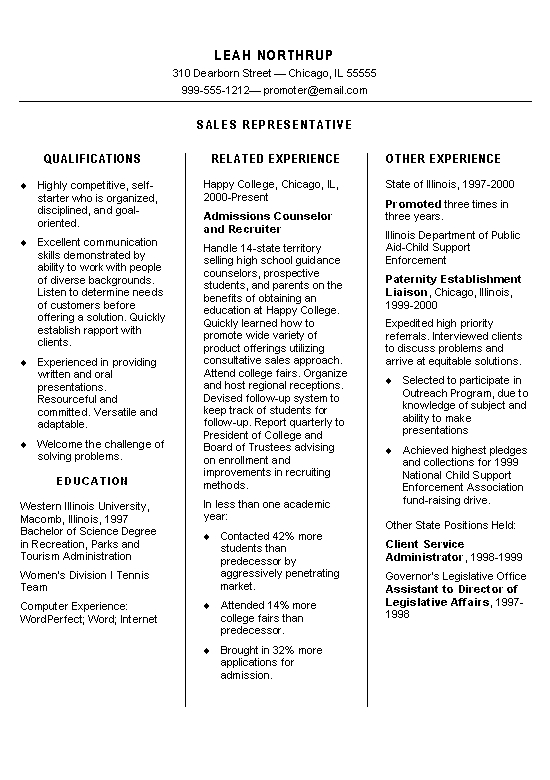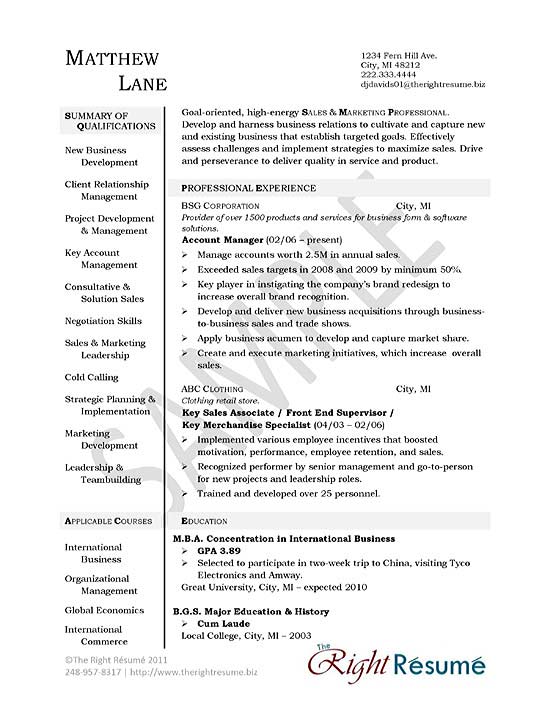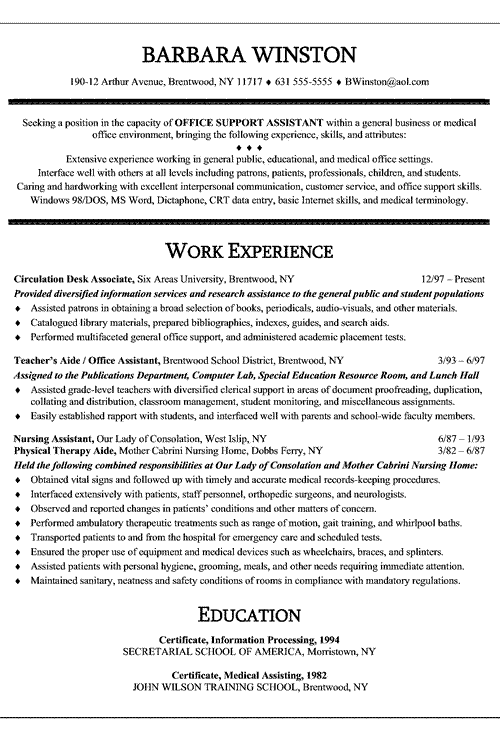
When browsing the resume examples on the web and on this site, you will notice a large variation in resume styles and resume formats. So you ask yourself: How do I choose the resume formats that will work for me? Hopefully, I can give you some ideas on how to answer that question.
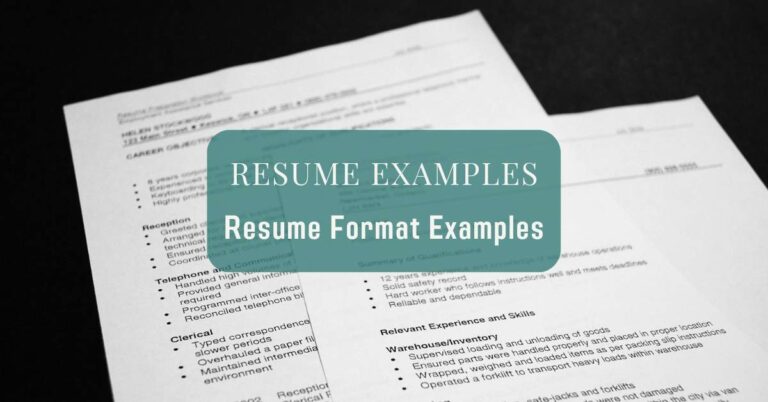
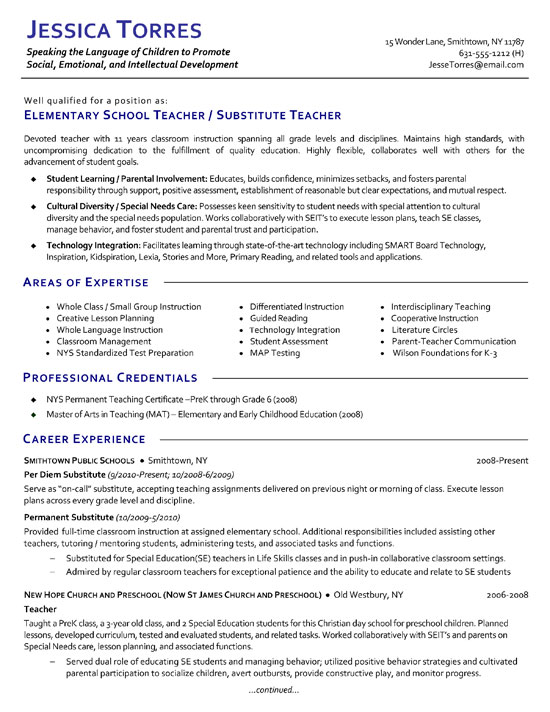
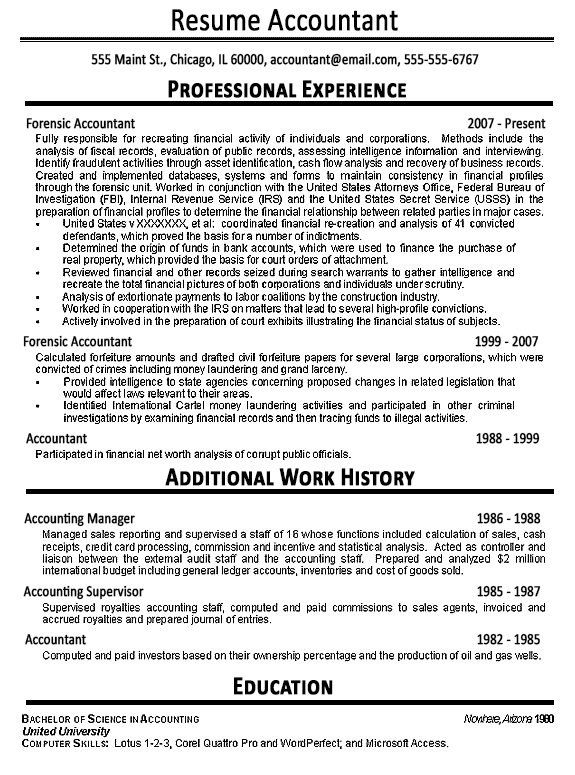
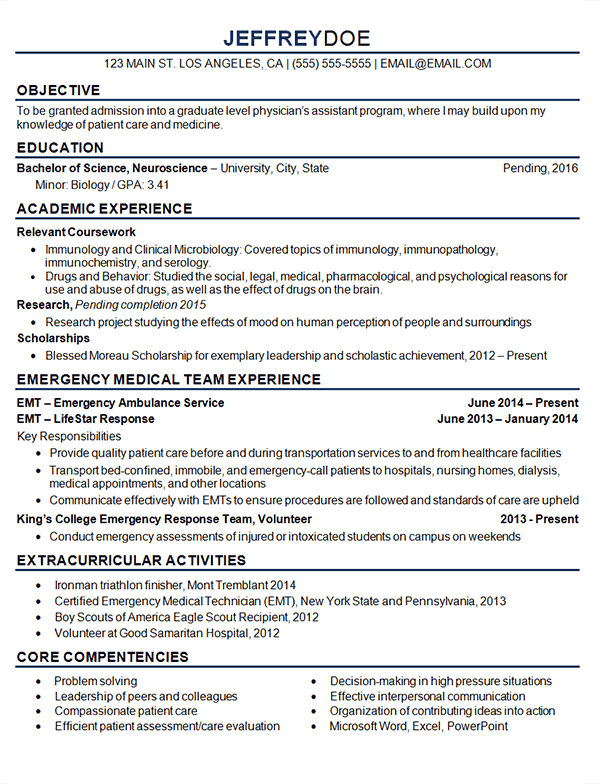
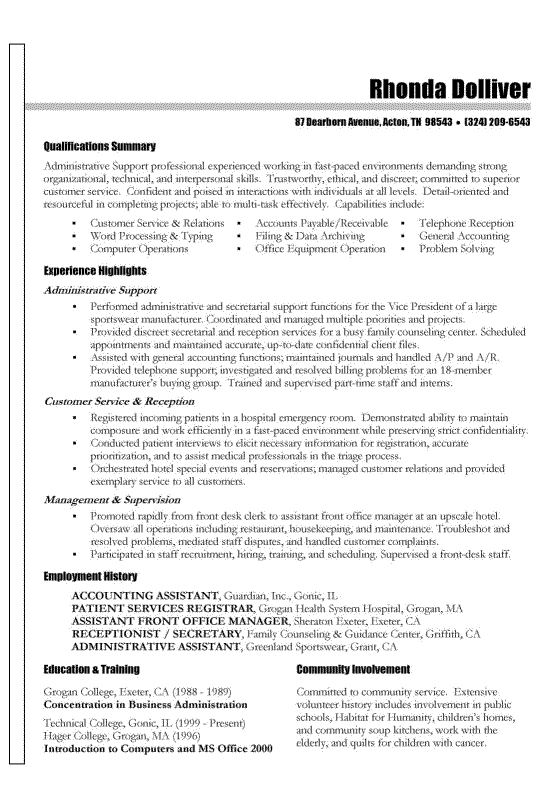
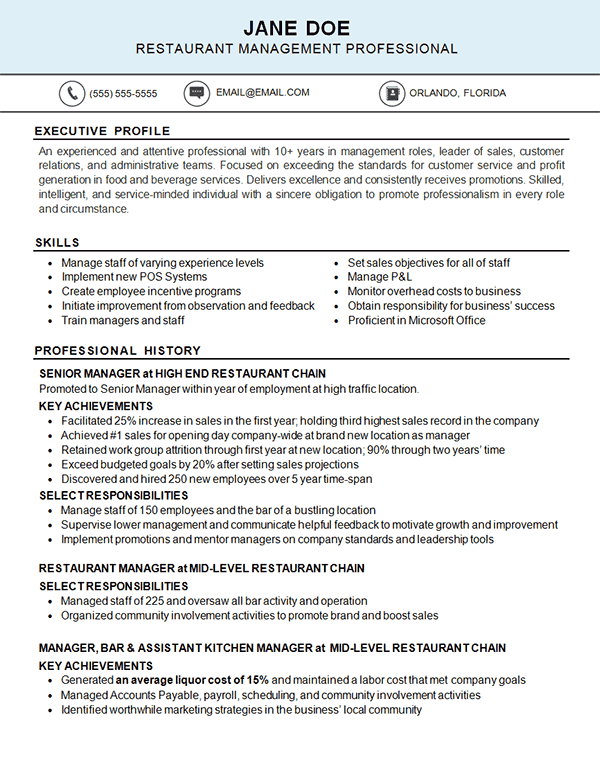
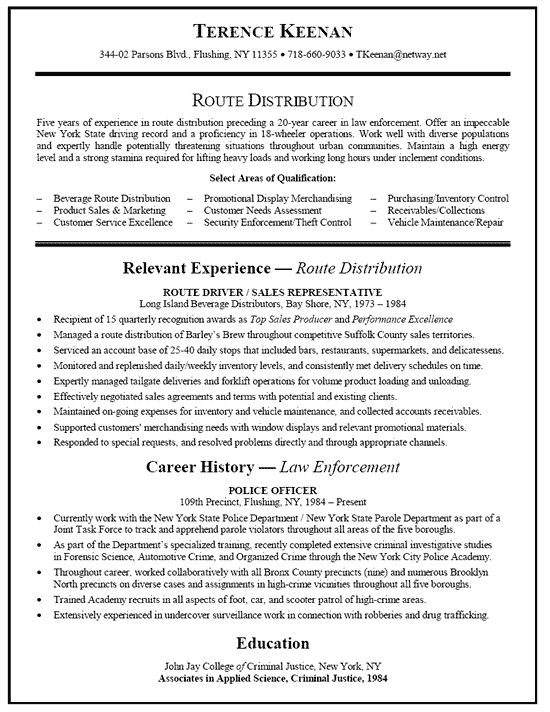
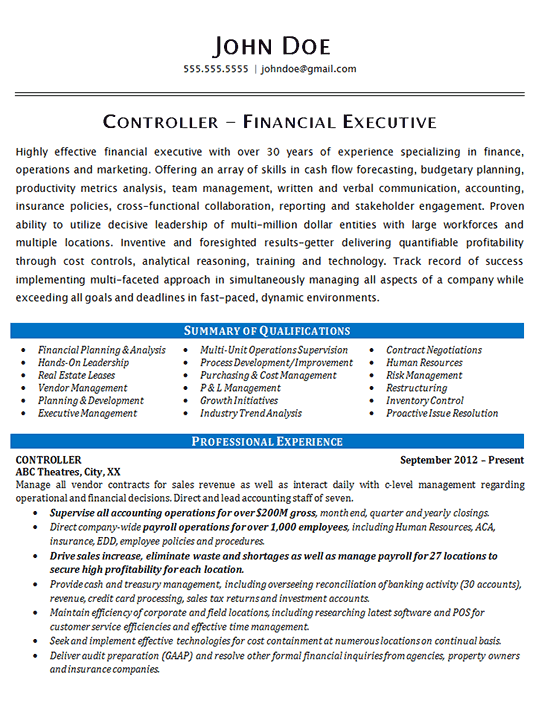
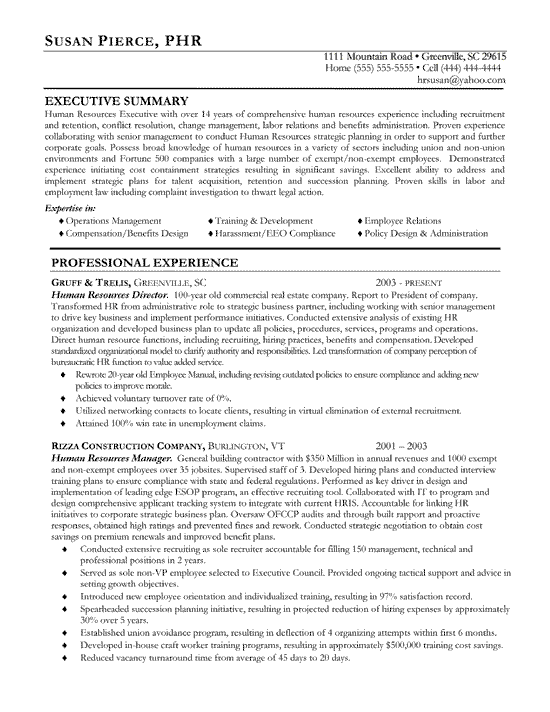
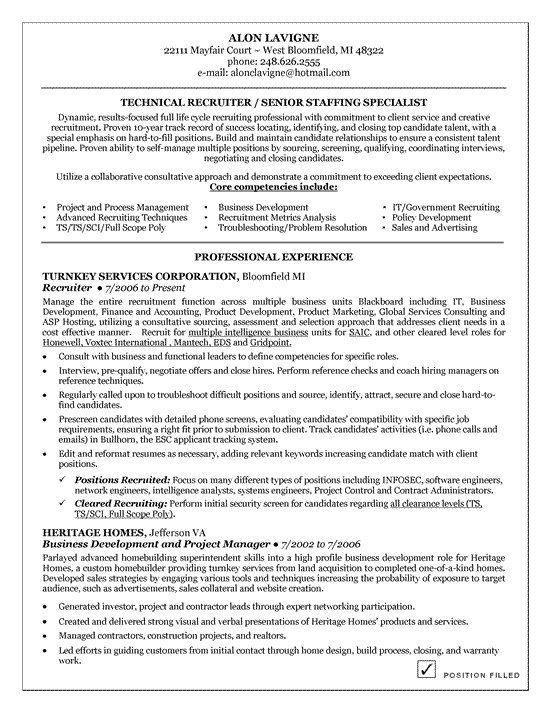
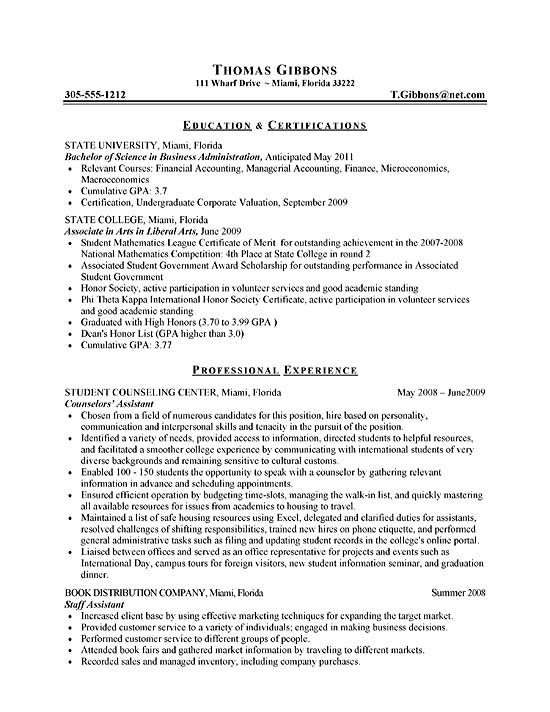
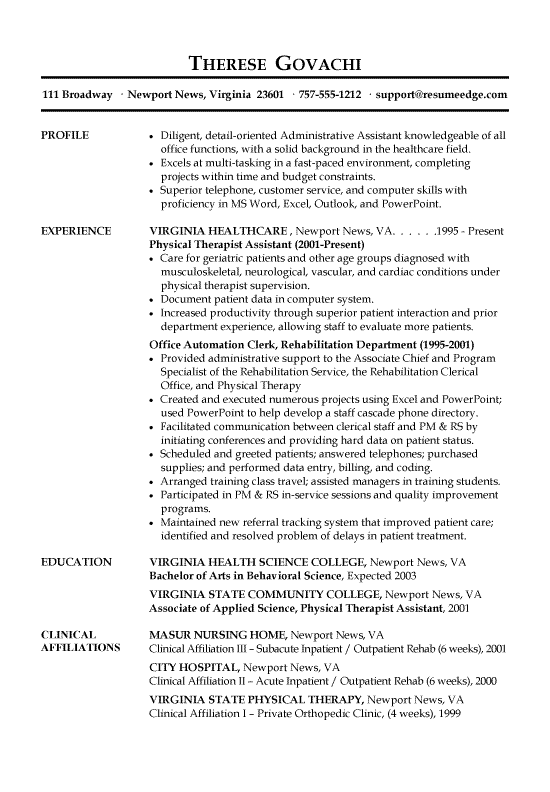
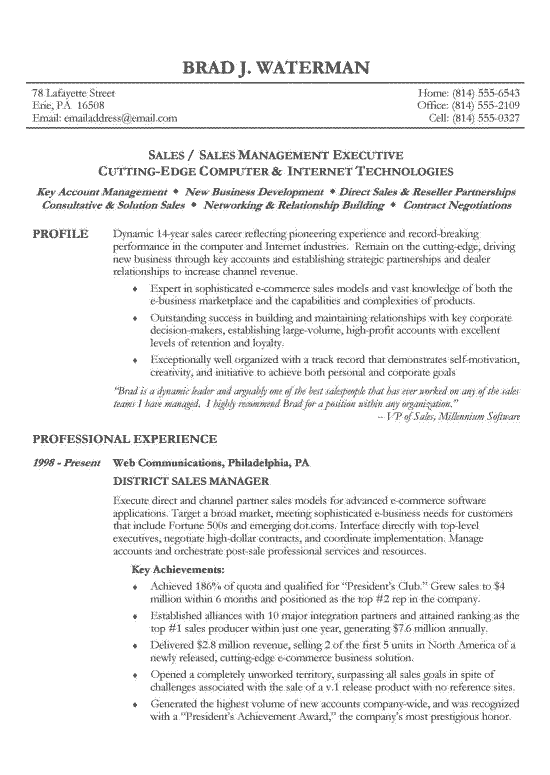
Lets start off with basics of resume formats. In one way or another, a resume is either going to be written in reverse-chronological or functional format. The reverse-chronological format includes an introduction followed by a listing/description of your work history starting with the most recent job in descending order. The functional format usually includes an abbreviated introduction followed by a list of job functions with descriptions, then simply lists work history with no descriptions. Examples of these two types of resume formats can be seen here:
Reverse Chronological Resume Formats
Functional Resume Formats
So which one of these resume formats should you use?
The general rule is to use the reverse chronological resume format if you have a consistent work history. You can use a summary to highlight your functional skills, then provide details of how you applied your skills within each specific job description. Since it is the most common format, employers will be familiar with the style, which makes it easier to follow. Sometimes the functional format can take away from your job experience.
By design, the functional resume format is trying to highlight your functional skills rather than your experience. The most appropriate use of the functional resume format includes:
- changing careers - your past experience may not be irrelevant, but transferable functional skills can be very relevant. It is ideal to highlight these skills by using a functional resume format.
- students or recent graduates – A lack of relevant work history is always a challenge with a student resume. Therefore, using the functional format can help highlight skills learned in school.
- inconsistent work history – If you had a period of months or years where you didn’t work or you worked in a different industry, you can use a functional resume to focus on job skills rather than work history. Often times this applies to women who leave the work force to have children, then decide to work again after a few years.
Hybrid functional resume formats
Every individual is different. In my experience writing resumes, there were always times where I would use what I called a hybrid functional resume. It is really a reverse chronological resume with an extended introduction. The concept of this format is to build up a detailed introduction so the reader focuses on the important functional skills, then use abbreviated versions of job descriptions that only include 2-4 statements.
I had a client that was in computer networking. Over the past 15 years he had 9 jobs in which some of the jobs were in networking and other jobs were in software development. Since his target job was in networking, we wanted to focus on his networking skills. I wrote a summary that defined his skills in networking, then also included a list of related qualifications and technologies. In order to show a consistent timeline, I chose to write brief descriptions of each job. I went into a bit more detail on the networking jobs, then lightened up on the software jobs. The technique worked. He secured plenty of interviews and the reader was never confused about his experience on the software side.
When it comes to resume writing and choosing resume formats, ask yourself if it is more important to focus on skills or work history. By all means, both are important, but focusing on one or the other is the key to choosing correct resume formats. By correct, I mean choosing the resume formats that will get you the most job interviews.