Congratulations, you’ve just graduated with a degree in your chosen field. So what’s your next step going to be to launch your long-anticipated career? Do you have a plan of action to turn those opportunities into a reality?
One of the first things you need to decide is what type of job interests you the most. Depending on what your degree is, there might be many positions in your field to consider. For example, if you are a graduate nurse you can work in a hospital, clinic, nursing home, childcare center, school, private practice, or field setting. Then, within those settings you can work within various units such as medical-surgical, pediatrics, and maternity. Then there are transitional opportunities. Let’s say you tried your hand at nursing and realized it was not what you expected. You can always consider pharmaceutical sales as a new career. Some fields, such as business management, are even more flexible. The key is to decide which direction you are headed towards and learn as much about that field as you possible can.
A good way to start is to conduct some independent research. Let’s assume your degree in is law enforcement or criminal justice. You will need to decide if you want to work in corporate security or private investigation. But how do you decide? Well, if your college’s career center cannot provide you with specific information, visit Occupational Outlook Handbook online (http://www.bls.gov/oco/) to get an overview of various positions in your field. Join industry specific chat rooms to see what everyone is talking about. Go to the web sites of various companies. Get involved in conversations. Ask lots of questions. Get advice from friends, family members, and neighbors. Ask them what they do and how they got started. If you are not sure if a particular area of your industry is right for you, call or write professionals already in positions of interest to request an information interview. An information interview will allow you the opportunity to question a professional about the nature and requirements of a position.
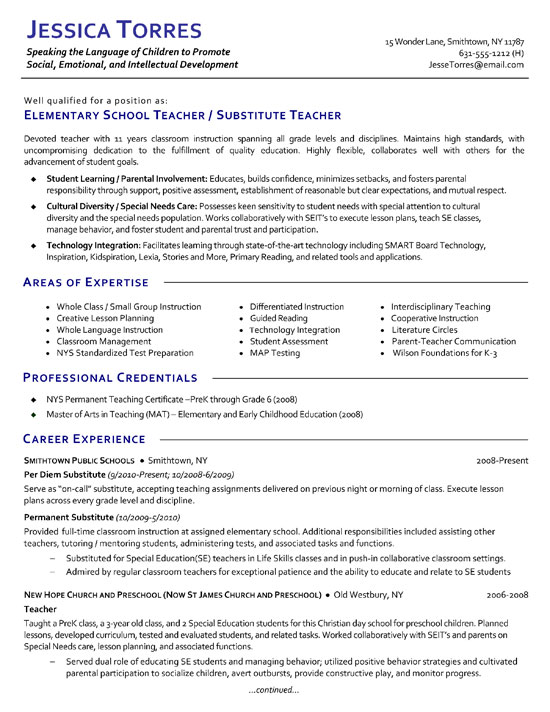
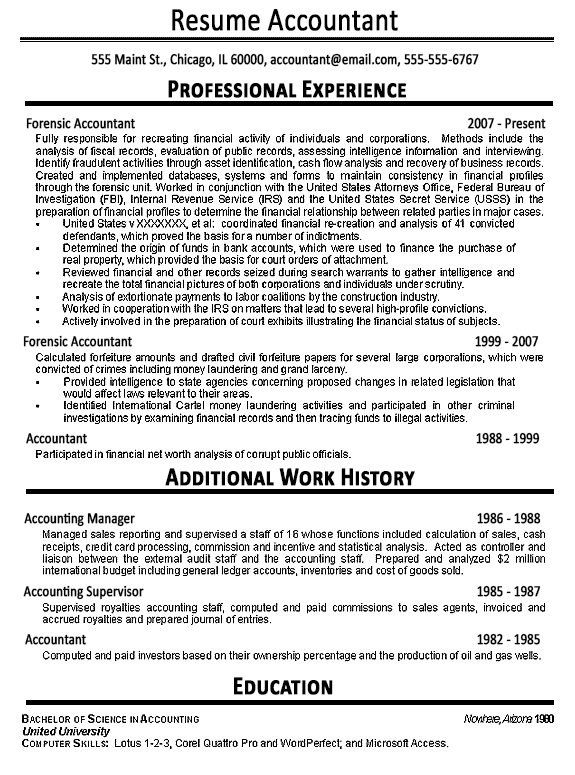
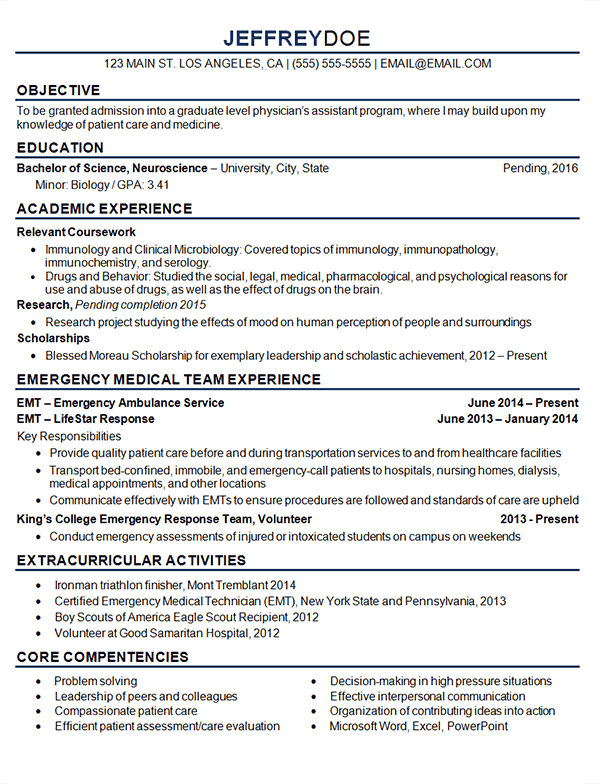
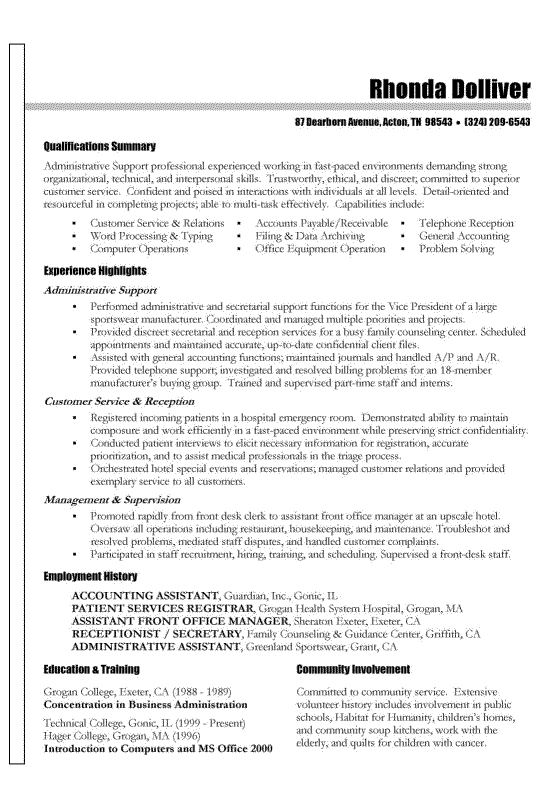
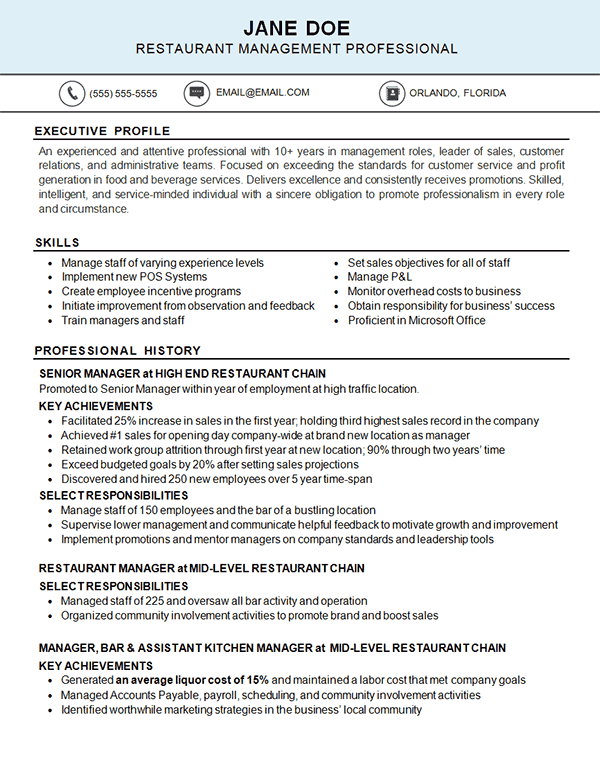
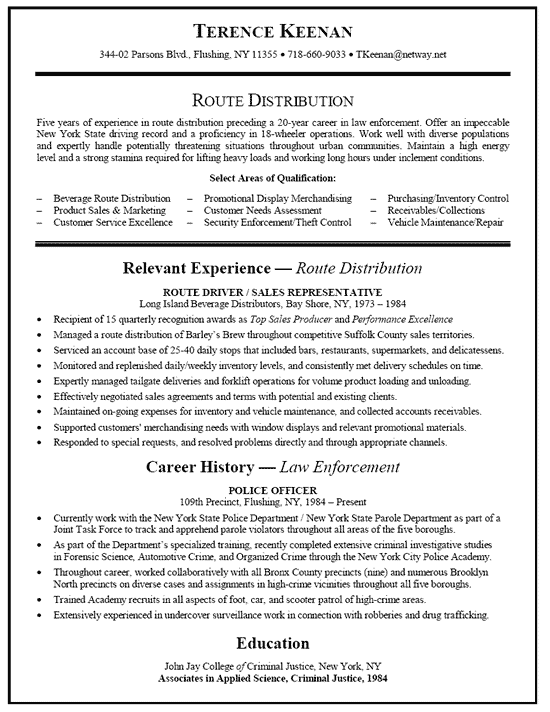
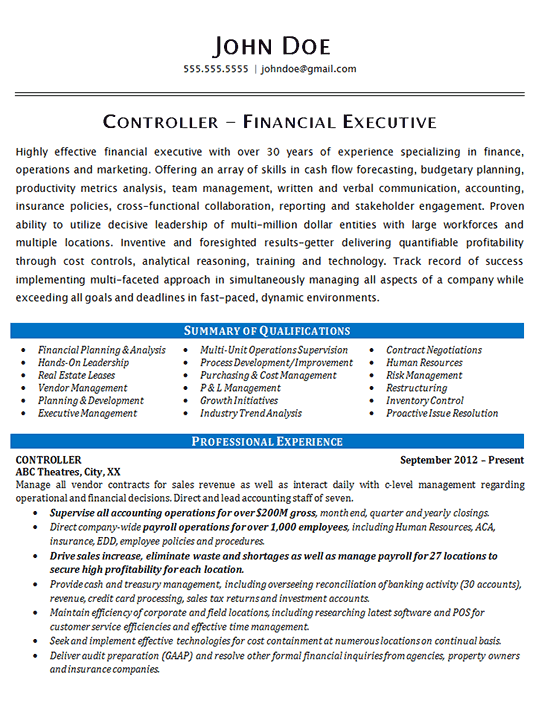
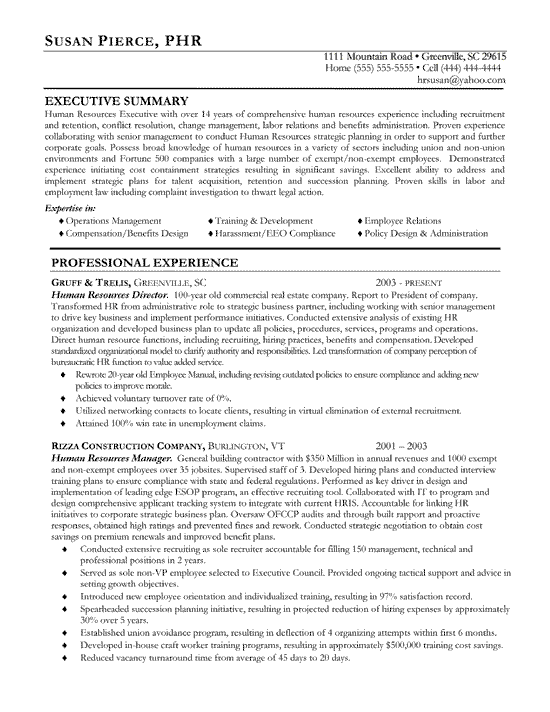
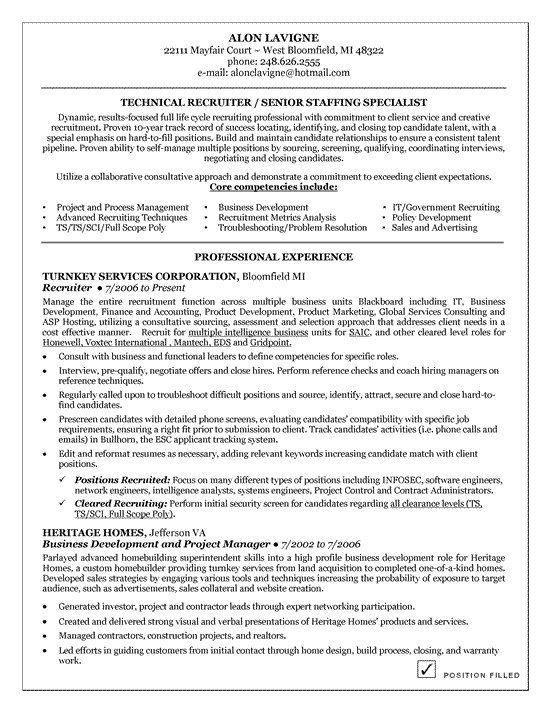
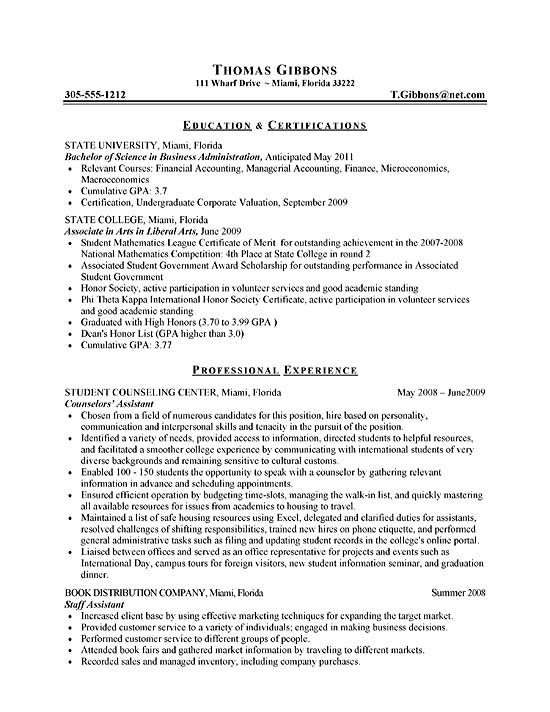
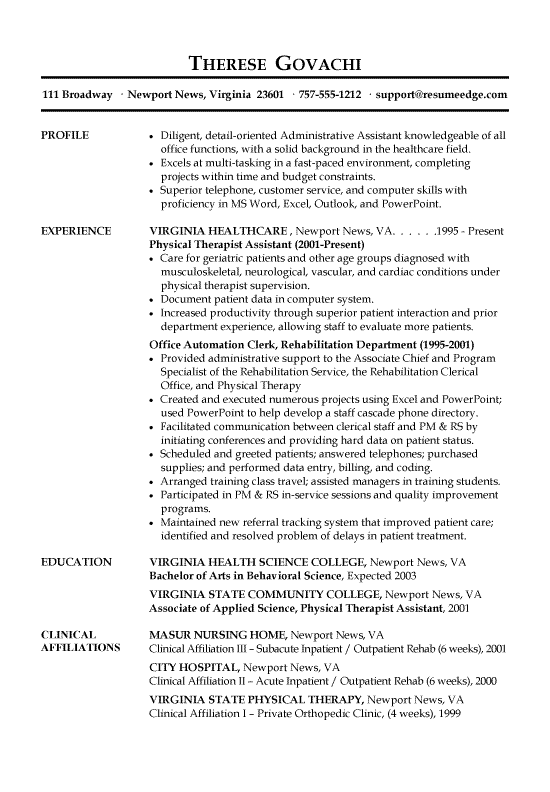
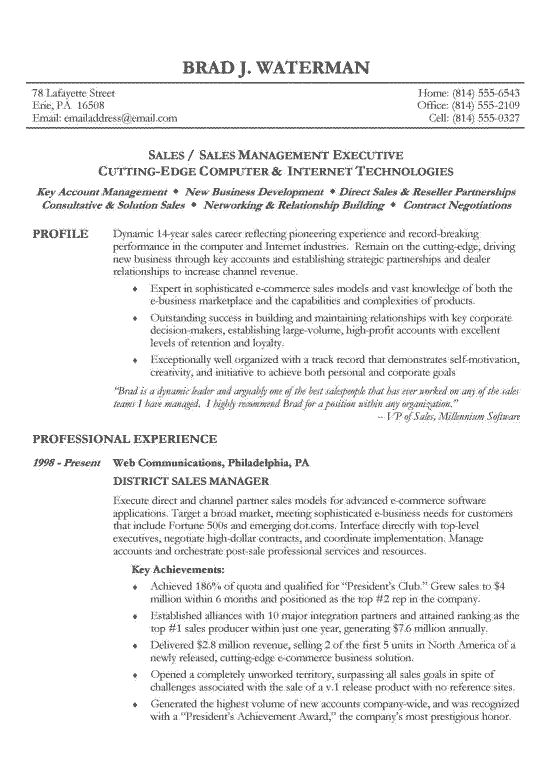
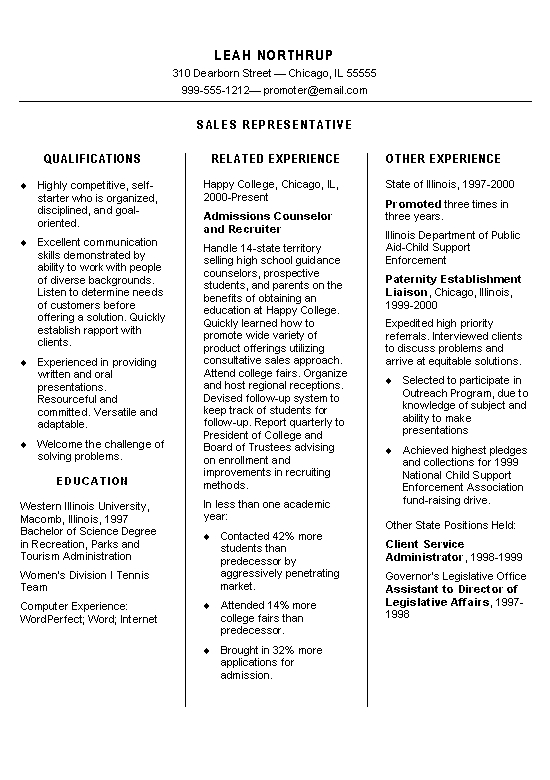
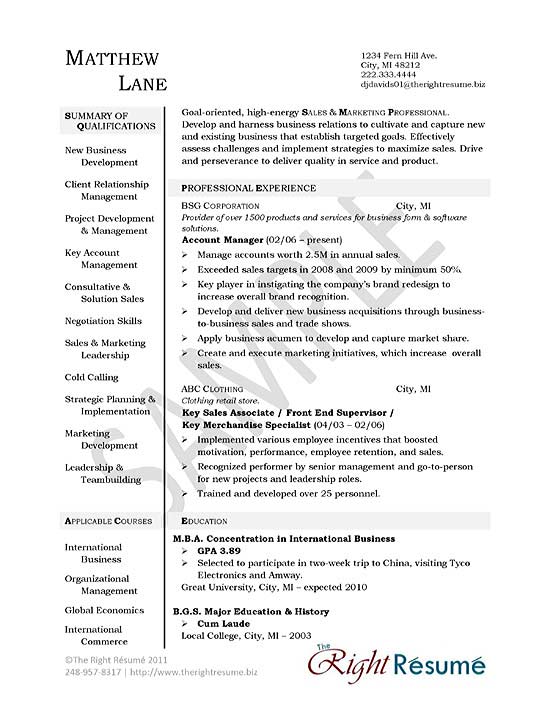
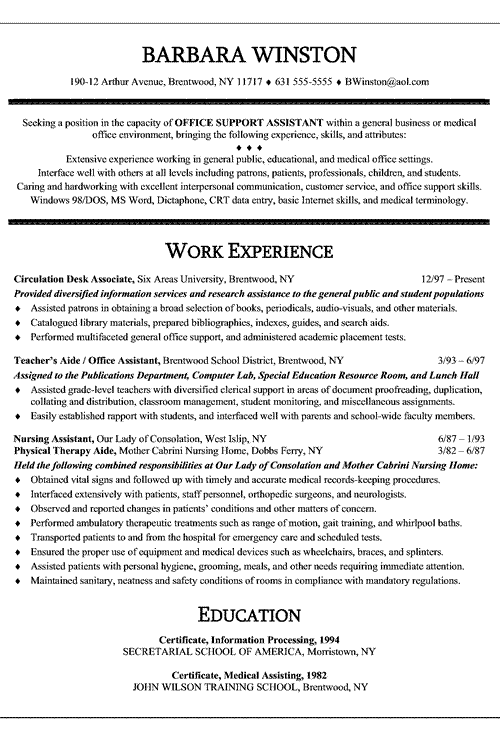
Once you have narrowed it down, have your resume developed professionally and post it on major job boards, such as monster.com, careerbuilder.com, and hotjobs.com to see what contacts can be made. Join an organization to become acquainted with people in your industry, attend career fairs, become affiliated with recruiters, and research companies online (post your resume at their web sites), at the library, and even in the yellow pages to get leads to mail your resume and cover letter. Another great way to get started is to temp for a while. If you do decide to temp, be selective. You should only work for the best companies in your field to get the very best experience possible. It is also a great way to prove yourself as a favorable candidate for a permanent position. Don’t temp for too long because it might cause a potential employer to wonder why you haven’t secured a permanent position for a certain length of time. If during an interview you are asked why you temped, confidently state that you chose to temp to gain well-rounded experience in your field. Don’t apologize for anything!
Keep organized notes and track every move you make. Prepare a list of names, company names, addresses, telephone numbers, fax numbers, email addresses, and web site addresses. Keep the list near the phone of every company you sent your resume and cover letter. That way you will know whom you are speaking with when they call to extend an initial or follow up interview. This is especially important if you are going on several interviews. If you are not organized, you will get confused and seem unprofessional. If you have your baby sister’s cute little voice or a musical greeting on your answering machine, replace it with a professional message that says, “You have reached John Smith at 555-5555. I am not available at this time. Please leave your name and reason for calling. I will return your call as soon as possible. Have a great day!” If your email address is bowlingkingpin@aol.com, be sure to change it to JSmith1234@aol.com.
Be prepared and on time for the interview, if not early. Make sure you have several outfits to wear to go on several interviews in a week’s time so you don’t stress. Make sure you dress appropriately for your interview. You can’t go wrong if you are conservative. If it is a creative industry, you can dress with more flair or even casual, but don’t dress too crazy. Have extra resumes handy (don’t bring your cover letter) to give to the hiring manager so he/she can distribute them to other managers without having to make copies. Practice your interviewing technique. Ask a friend to role-play with you. Get a book with commonly asked interview questions. In addition to learning what to say, you need to learn what not to say and what not to do. Send out thank you letters within 24-hours that mention something important discussed in the interview keeping the position in mind at all times and reiterating your strengths.
Above all, be professional in behavior and appearance, knowledgeable, enthusiastic, organized, interested in the company and position (have about ten questions to ask them that have nothing to do with you), and try your best to be interesting when you talk about your experiences, regardless how limited they may be. If you are nervous, keep in mind that you are interviewing them, too. You don’t want to work for just anyone, do you? Be sure to convey that. You don’t have to be arrogant about it, but you should come across as a commodity, not as a desperate, nervous job seeker. If you think like that, your confidence will shine through naturally because you will feel good about yourself and will be ready for anything! Before long, you’ll be launching your career. Good luck!